
Global Catalog Active Directory
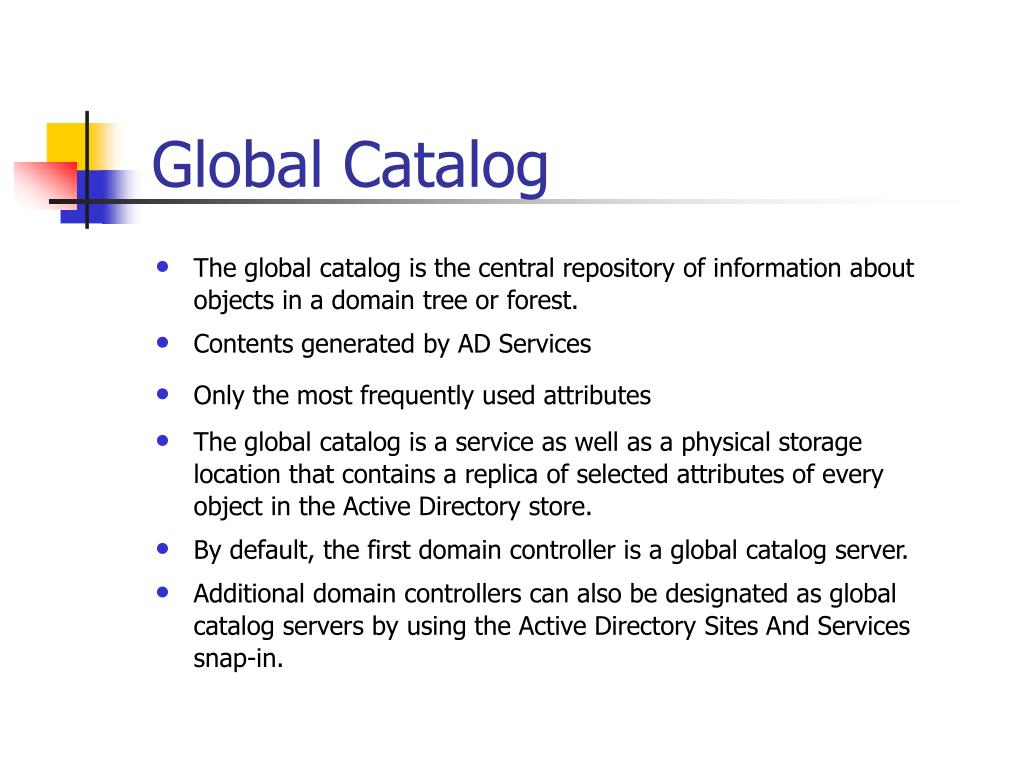
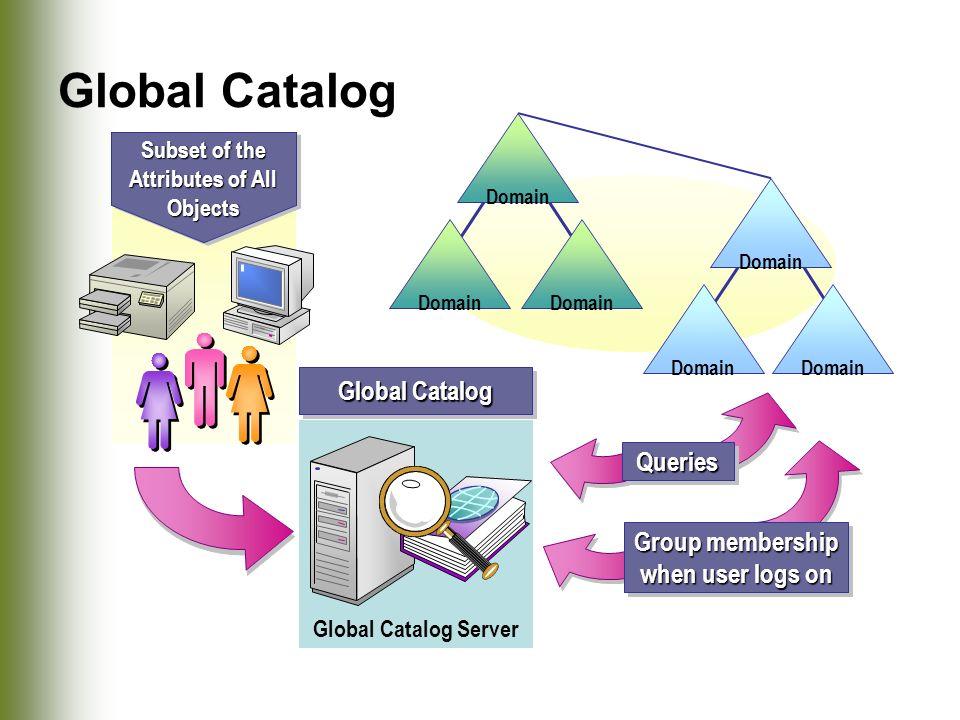
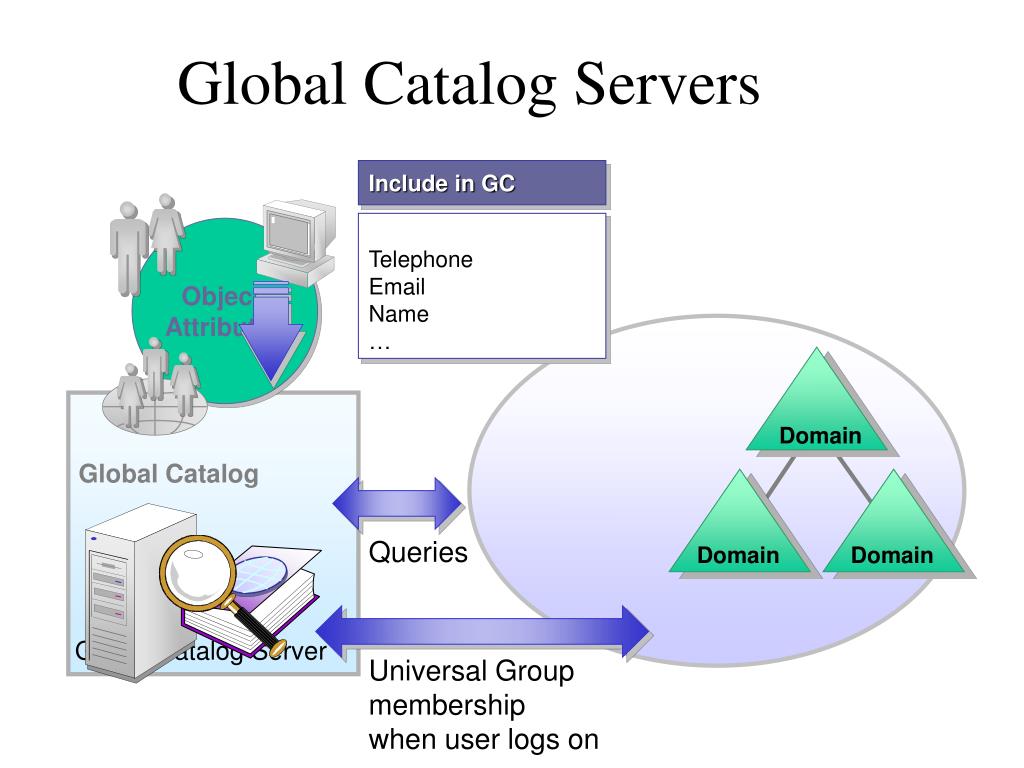
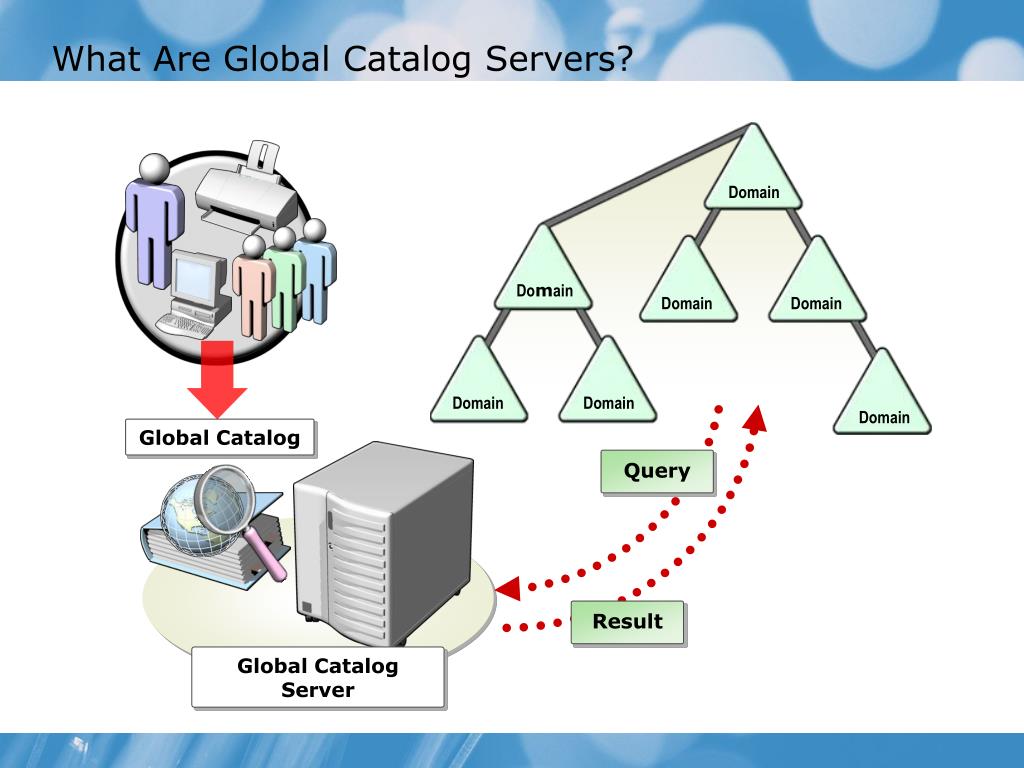
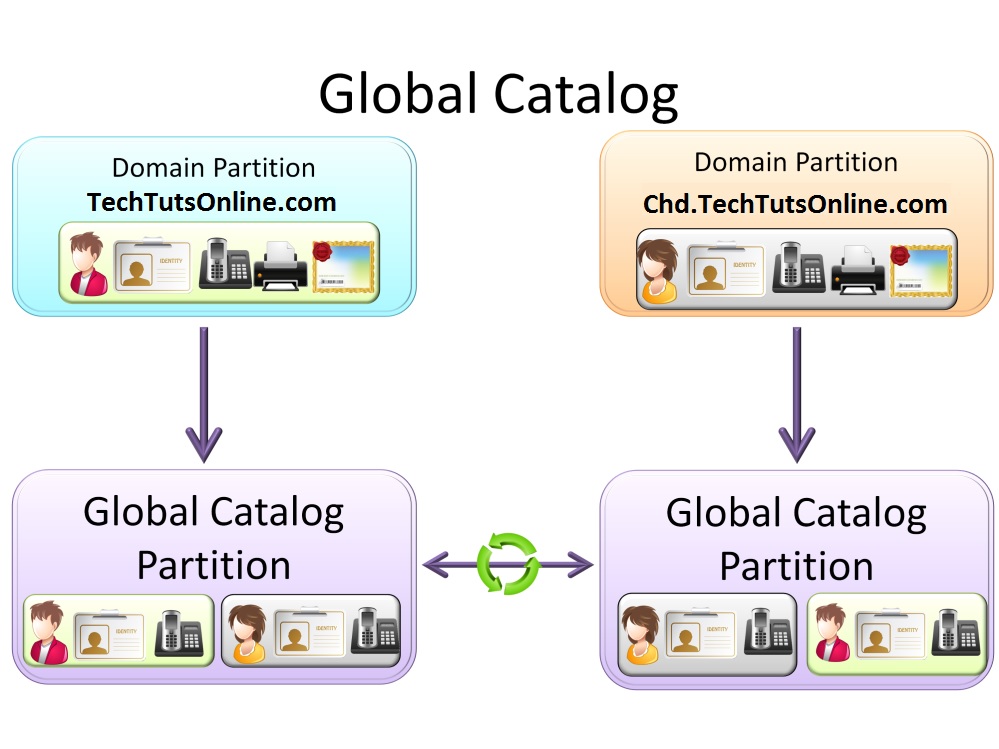
Global Catalog Active Directory - The global catalog is a feature of active directory (ad) that allows a domain controller (dc) to provide information on any object in the forest, regardless of whether the. Bind to the enterprise root. The global catalog is stored on domain. A global catalog server is a domain controller that stores global catalog information; Global catalog server is a microsoft windows server domain controller that stores a copy of the global catalog. The catalog serves multiple purposes, has tons of. A global catalog in a microsoft active directory installation with the product is a single lightweight directory access protocol (ldap) repository that contains a subset of user. Learn how the global catalog (gc) allows users and applications to find objects in an active directory domain tree, given one or more attributes of the target object. To bind to the global catalog with adsi, use the gc: moniker. The attributes in the global catalog. Learn how the global catalog (gc) allows users and applications to find objects in an active directory domain tree, given one or more attributes of the target object. Global catalog server is a microsoft windows server domain controller that stores a copy of the global catalog. There are two ways to bind to the global catalog to perform a search in a forest: To bind to the global catalog with adsi, use the gc: moniker. A global catalog in a microsoft active directory installation with the product is a single lightweight directory access protocol (ldap) repository that contains a subset of user. The attributes in the global catalog. The global catalog is a feature of active directory (ad) that allows a domain controller (dc) to provide information on any object in the forest, regardless of whether the. The global catalog (gc) in windows 2000 active directory (ad) is widely misunderstood and it's no wonder why: A global catalog server is a domain controller that stores global catalog information; Bind to the enterprise root. The global catalog (gc) allows users and applications to find objects in an active directory domain tree, given one or more attributes of the target object. Learn how the global catalog (gc) allows users and applications to find objects in an active directory domain tree, given one or more attributes of the target object. The global catalog (gc) in windows. There are two ways to bind to the global catalog to perform a search in a forest: The global catalog is stored on domain. Discover best practices for configuring global. The attributes in the global catalog. Bind to the enterprise root. A global catalog in a microsoft active directory installation with the product is a single lightweight directory access protocol (ldap) repository that contains a subset of user. Learn how the global catalog (gc) allows users and applications to find objects in an active directory domain tree, given one or more attributes of the target object. The global catalog is a. To bind to the global catalog with adsi, use the gc: moniker. There are two ways to bind to the global catalog to perform a search in a forest: The global catalog is a feature of active directory (ad) that allows a domain controller (dc) to provide information on any object in the forest, regardless of whether the. Learn how. The catalog serves multiple purposes, has tons of. There are two ways to bind to the global catalog to perform a search in a forest: The global catalog is stored on domain. Global catalog server is a microsoft windows server domain controller that stores a copy of the global catalog. Global catalog provides a searchable catalog of all objects in. Bind to the enterprise root. The global catalog is a feature of active directory (ad) that allows a domain controller (dc) to provide information on any object in the forest, regardless of whether the. The global catalog holds a replica of every object in active directory domain services, but with only a small number of their attributes. Global catalog provides. The global catalog (gc) allows users and applications to find objects in an active directory domain tree, given one or more attributes of the target object. Global catalog server is a microsoft windows server domain controller that stores a copy of the global catalog. The global catalog holds a replica of every object in active directory domain services, but with. Discover best practices for configuring global. The global catalog is stored on domain. The global catalog holds a replica of every object in active directory domain services, but with only a small number of their attributes. The attributes in the global catalog. The global catalog (gc) allows users and applications to find objects in an active directory domain tree, given. The catalog serves multiple purposes, has tons of. The global catalog (gc) allows users and applications to find objects in an active directory domain tree, given one or more attributes of the target object. The global catalog is a feature of active directory (ad) that allows a domain controller (dc) to provide information on any object in the forest, regardless. Discover best practices for configuring global. A global catalog in a microsoft active directory installation with the product is a single lightweight directory access protocol (ldap) repository that contains a subset of user. A global catalog server is a domain controller that stores global catalog information; The global catalog is a feature of active directory (ad) that allows a domain. Discover best practices for configuring global. A global catalog server is a domain controller that stores global catalog information; The catalog serves multiple purposes, has tons of. The global catalog (gc) allows users and applications to find objects in an active directory domain tree, given one or more attributes of the target object. Bind to the enterprise root. Global catalog server is a microsoft windows server domain controller that stores a copy of the global catalog. The attributes in the global catalog. The global catalog is stored on domain. To bind to the global catalog with adsi, use the gc: moniker. Global catalog provides a searchable catalog of all objects in every ad domain in an ad forest. A global catalog in a microsoft active directory installation with the product is a single lightweight directory access protocol (ldap) repository that contains a subset of user. The global catalog (gc) in windows 2000 active directory (ad) is widely misunderstood and it's no wonder why: Learn how the global catalog (gc) allows users and applications to find objects in an active directory domain tree, given one or more attributes of the target object.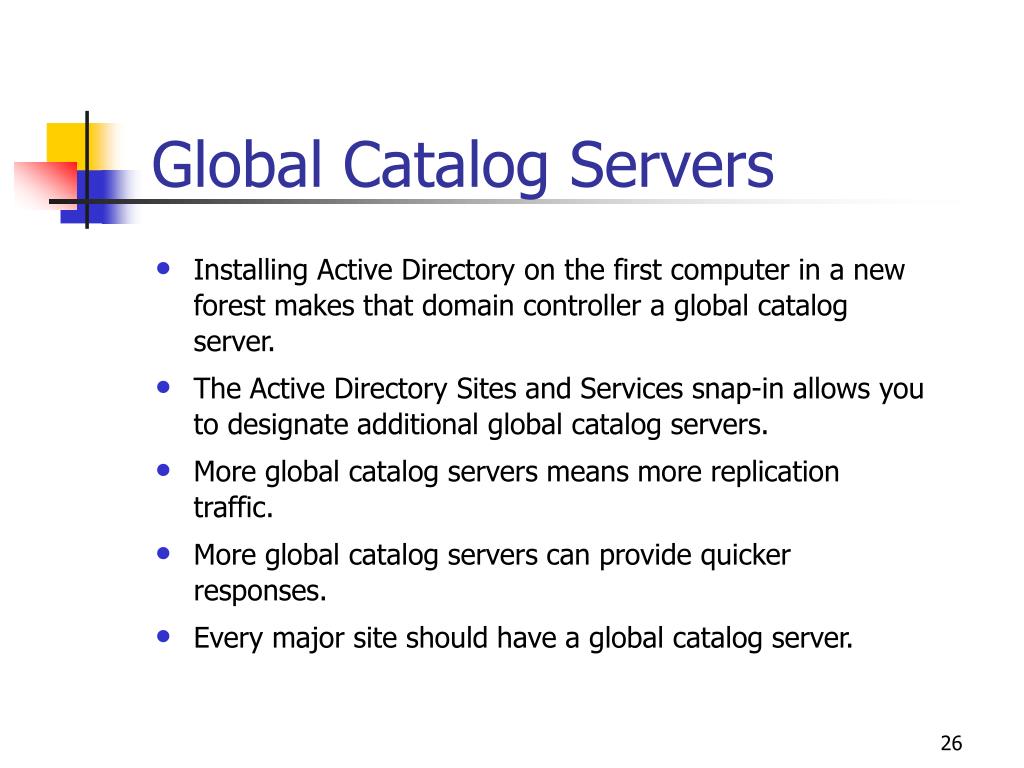
PPT Introduction to Active Directory Directory Services PowerPoint
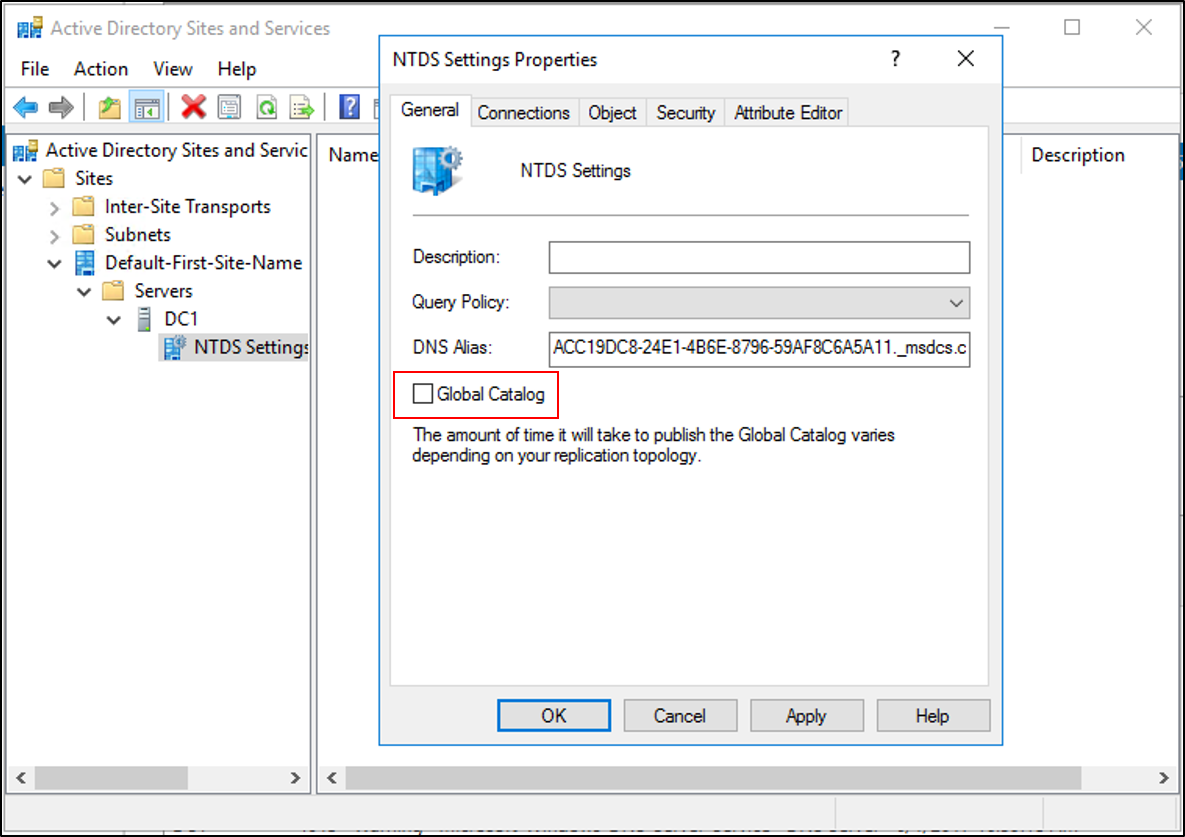
AD Forest Recovery Remove the global catalog Microsoft Learn
PPT Understanding Active Directory Concepts PowerPoint Presentation
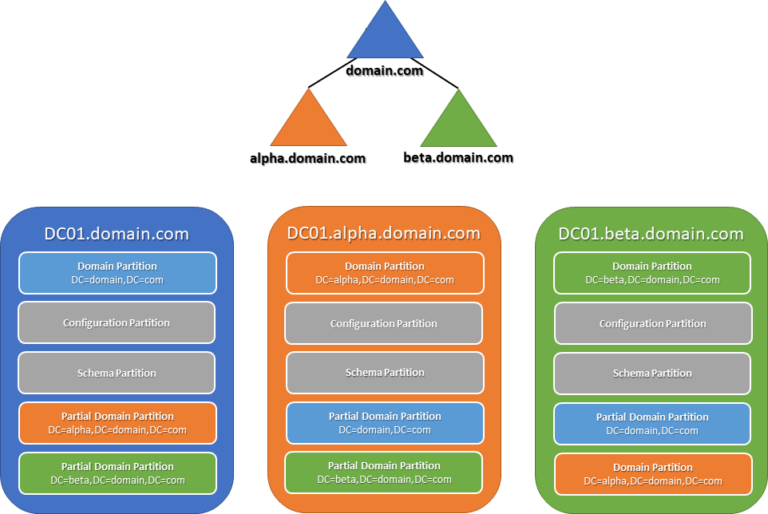
What Is a Global Catalog Server?

What Is Global Catalog
What is Global Catalog WindowsTechno
PPT ACTIVE DIRECTORY II PowerPoint Presentation, free download ID
PPT Module 1 Implementing Active Directory ® Domain Services
Active Directory Fundamentals

Understanding Global Catalog (Active Directory) TheITBros
There Are Two Ways To Bind To The Global Catalog To Perform A Search In A Forest:
The Global Catalog Is A Feature Of Active Directory (Ad) That Allows A Domain Controller (Dc) To Provide Information On Any Object In The Forest, Regardless Of Whether The.
Administrators And Users Can Utilize Global Catalog Servers On A.
The Global Catalog Holds A Replica Of Every Object In Active Directory Domain Services, But With Only A Small Number Of Their Attributes.
Related Post: