
Global Catalog Port
Global Catalog Port - Learn how to configure a firewall for active directory domains and trusts and the network port requirements for windows. Find out how to configure firewalls, ipsec, and rpc for different server roles and applications. Tcp and udp port 53 for dns from domain controller to domain controller and client to the domain controller. The most essential ports for active directory are tcp 389 (ldap), 3268 (global catalog), 53 (dns), 88 (kerberos), 135 (rpc endpoint mapper), 445 (smb/cifs), 5722 (ad. Learn what global catalog (gc) is, how it works, and how to enable or disable it on domain controllers. Find out how to plan and place gc servers based on network bandwidth,. On the other hand, a. Learn how to use the global catalog to search for active directory objects in any domain in the forest without subordinate referrals. Use port 3268 for the global catalog of the working active directory. Active directory ports used for active directory communication, replication and authentication are: (active directory uses various ports for other purposes.) Find out how to configure firewalls, ipsec, and rpc for different server roles and applications. You can query the global catalog over ldap, just use the special tcp port 3268 (or 3269 for ldap over ssl). 3268 port for global catalog,tcp 135,389 Use port 3268 for the global catalog of the working active directory. Find out how to plan and place gc servers based on network bandwidth,. Tcp and udp port 53 for dns from domain controller to domain controller and client to the domain controller. On the other hand, a. A global catalog server is a domain controller that stores a copy of the global catalog. Learn how to configure a firewall for active directory domains and trusts and the network port requirements for windows. See the list of ports for kerberos, ldap, global. Port 3269 may also be used on a global catalog server to process requests for. Tcp port 3268 and 3269 for global catalog from client to domain controller. Learn what global catalog (gc) is, how it works, and how to enable or disable it on domain controllers. 3268 port for global. Compare the characteristics and effects of global catalog. Port 3269 may also be used on a global catalog server to process requests for. Tcp port 3268 and 3269 for global catalog from client to domain controller. Learn about the network ports, protocols, and services that windows server uses for network connectivity. Global catalog servers listen on port 3268 (using ldap). Detailed info on port 3268 (tcp udp) for microsoft global catalog (gc). Learn what global catalog (gc) is, how it works, and how to enable or disable it on domain controllers. Use port 3268 for the global catalog of the working active directory. It provides a global listing of all objects within an active directory forest, enabling users and applications. Learn how to configure a firewall for active directory domains and trusts and the network port requirements for windows. A configuration manager client doesn't contact a global catalog server when it's a workgroup computer or when it's configured for. Global catalog servers listen on port 3268 (using ldap) for queries, as well as on the standard ldap port 389. On. Find out how to plan and place gc servers based on network bandwidth,. Its database stores rows for every object in the ad forest instead of rows for only the objects in. You can query the global catalog over ldap, just use the special tcp port 3268 (or 3269 for ldap over ssl). Use port 3268 for the global catalog. Learn about the network ports, protocols, and services that windows server uses for network connectivity. Use port 3268 for the global catalog of the working active directory. Learn about protocols, security considerations, and common uses. It provides a global listing of all objects within an active directory forest, enabling users and applications to perform quick and efficient searches across multiple. Learn how to configure a firewall for active directory domains and trusts and the network port requirements for windows. The most essential ports for active directory are tcp 389 (ldap), 3268 (global catalog), 53 (dns), 88 (kerberos), 135 (rpc endpoint mapper), 445 (smb/cifs), 5722 (ad. Active directory ports used for active directory communication, replication and authentication are: Tcp and udp. Tcp port 3268 and 3269 for global catalog from client to domain controller. Compare the characteristics and effects of global catalog. Global catalog servers listen on port 3268 (using ldap) for queries, as well as on the standard ldap port 389. Use port 3268 for the global catalog of the working active directory. All requests to the global catalog are. Tcp and udp port 53 for dns from domain controller to domain controller and client to the domain controller. You can query the global catalog over ldap, just use the special tcp port 3268 (or 3269 for ldap over ssl). See the list of ports for kerberos, ldap, global. Learn what global catalog (gc) is, how it works, and how. Learn what global catalog (gc) is, how it works, and how to enable or disable it on domain controllers. It provides a global listing of all objects within an active directory forest, enabling users and applications to perform quick and efficient searches across multiple domains. Its database stores rows for every object in the ad forest instead of rows for. Learn about the network ports, protocols, and services that windows server uses for network connectivity. It provides a global listing of all objects within an active directory forest, enabling users and applications to perform quick and efficient searches across multiple domains. All requests to the global catalog are read only. On the other hand, a. Learn how to configure a firewall for active directory domains and trusts and the network port requirements for windows. (active directory uses various ports for other purposes.) Compare the characteristics and effects of global catalog. A configuration manager client doesn't contact a global catalog server when it's a workgroup computer or when it's configured for. Detailed info on port 3268 (tcp udp) for microsoft global catalog (gc). Its database stores rows for every object in the ad forest instead of rows for only the objects in. Tcp port 3268 and 3269 for global catalog from client to domain controller. Learn about protocols, security considerations, and common uses. The most essential ports for active directory are tcp 389 (ldap), 3268 (global catalog), 53 (dns), 88 (kerberos), 135 (rpc endpoint mapper), 445 (smb/cifs), 5722 (ad. 3268 port for global catalog,tcp 135,389 See the list of ports for kerberos, ldap, global. A global catalog server is a domain controller that stores global catalog information;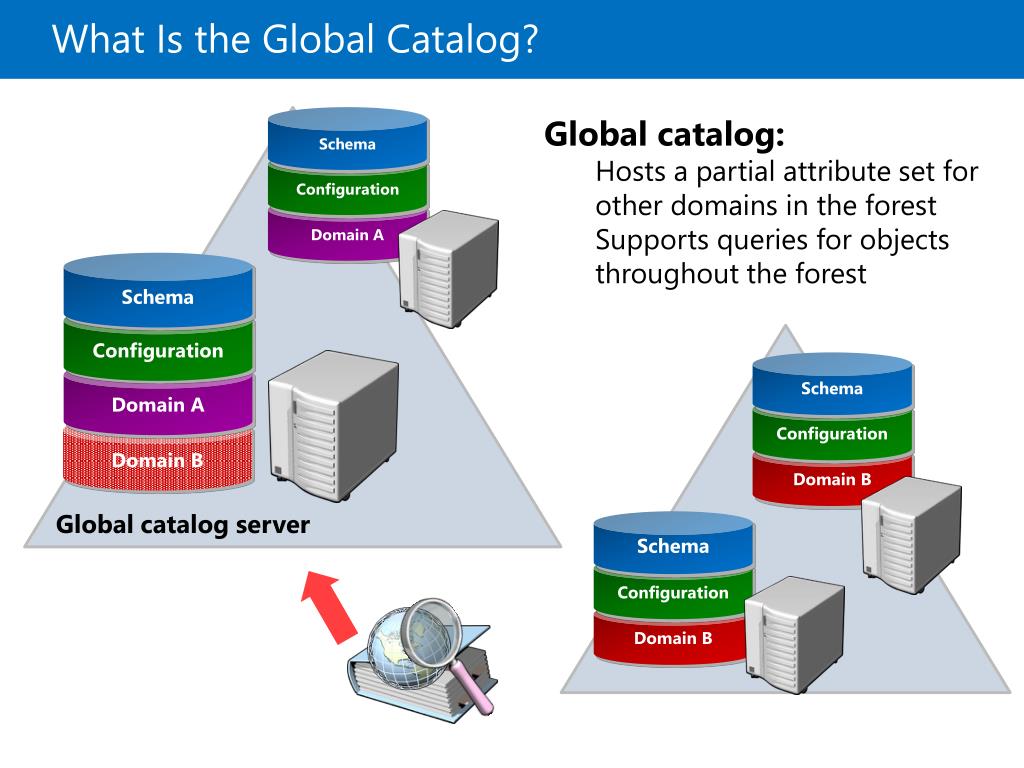
PPT Module 2 PowerPoint Presentation, free download ID3438732

What is Global Catalog Active Directory Global Catalog
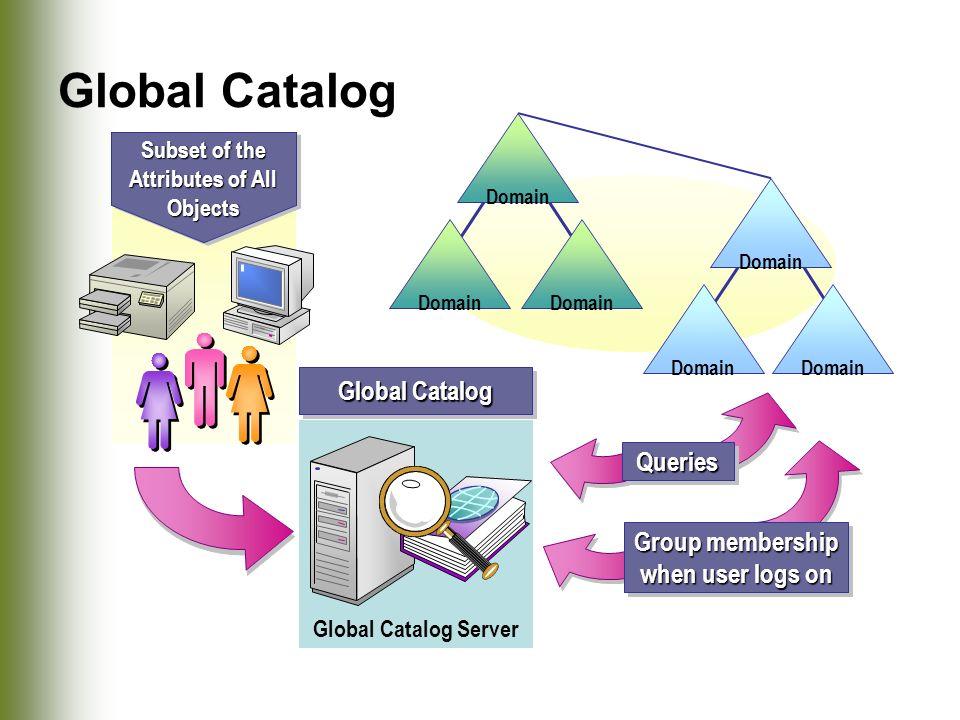
What is Global Catalog WindowsTechno

What Is Global Catalog
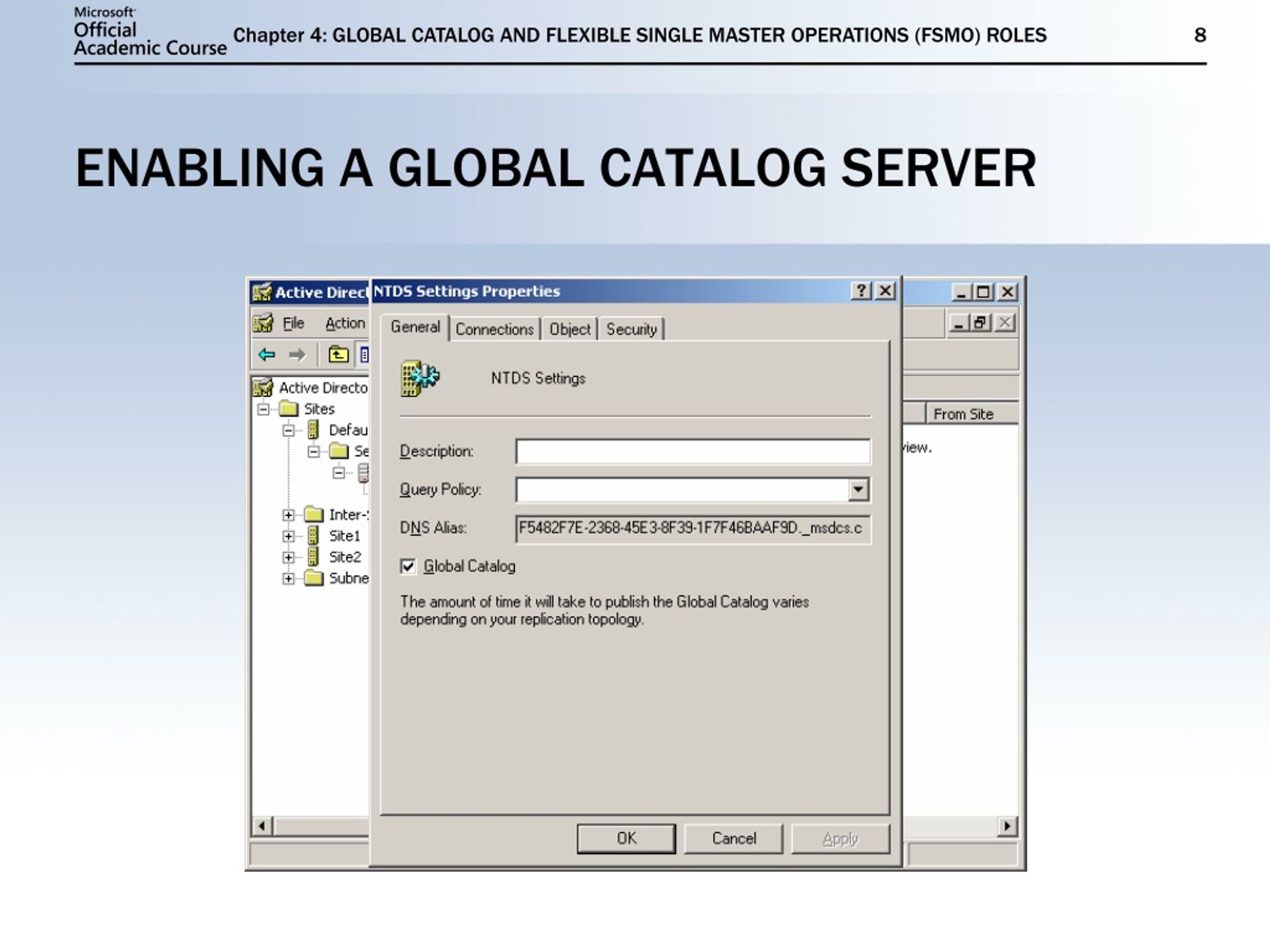
PPT GLOBAL CATALOG AND FLEXIBLE SINGLE MASTER OPERATIONS (FSMO) ROLES

Understanding Global Catalog (Active Directory) TheITBros
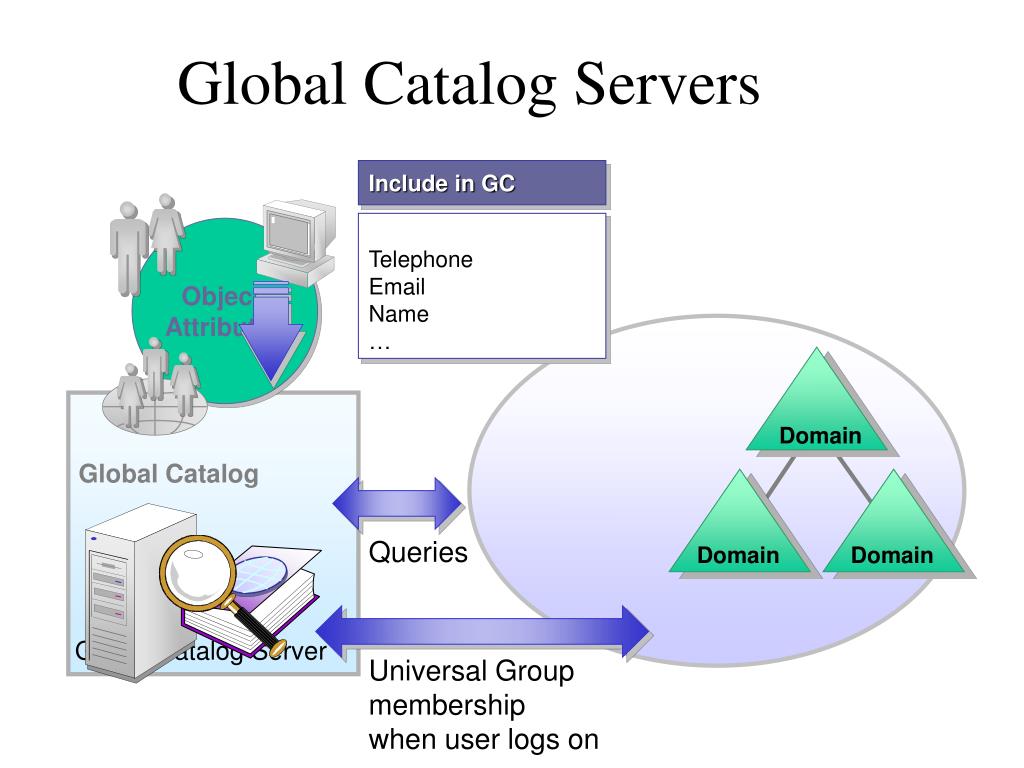
PPT ACTIVE DIRECTORY II PowerPoint Presentation, free download ID
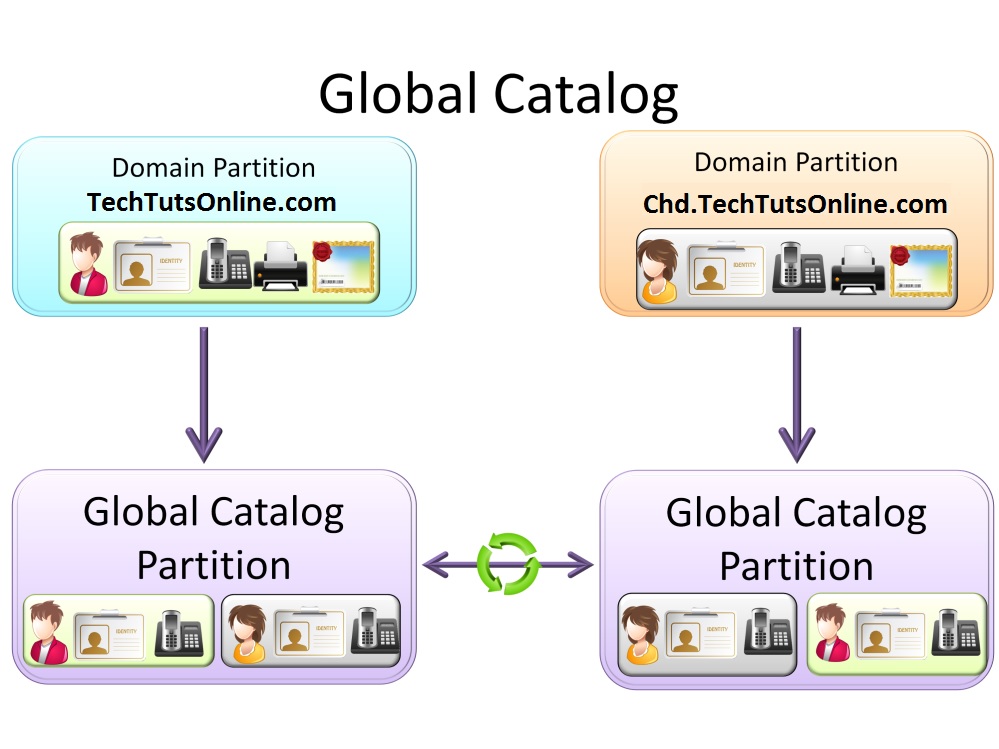
Active Directory Fundamentals
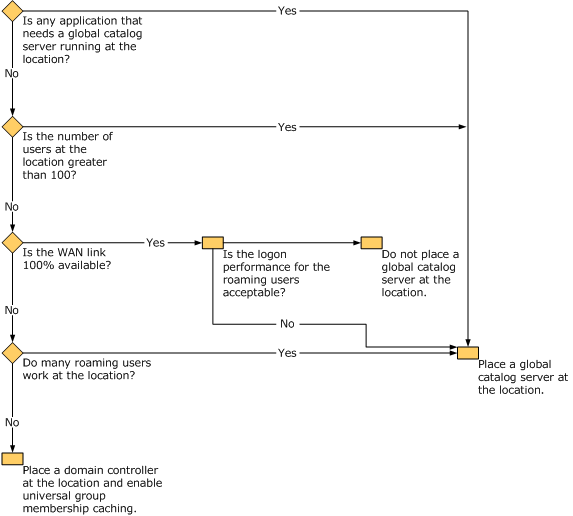
Planning Global Catalog Server Placement Microsoft Learn
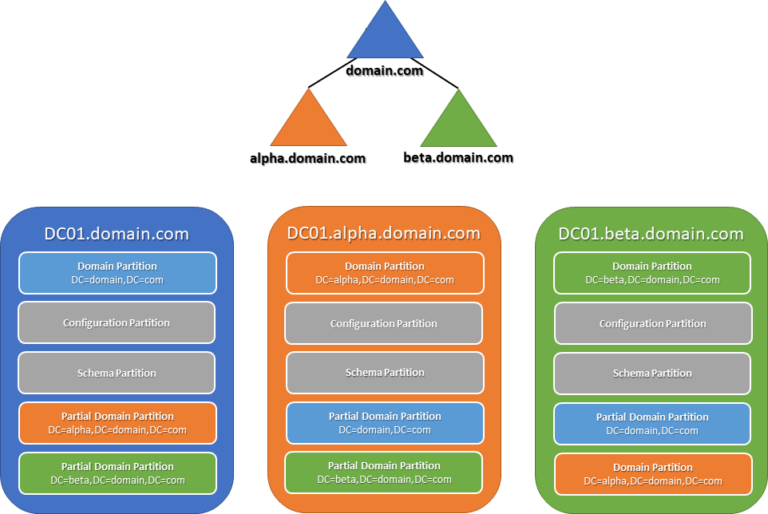
What Is a Global Catalog Server?
Find Out How To Configure Firewalls, Ipsec, And Rpc For Different Server Roles And Applications.
You Can Query The Global Catalog Over Ldap, Just Use The Special Tcp Port 3268 (Or 3269 For Ldap Over Ssl).
Global Catalog Servers Listen On Port 3268 (Using Ldap) For Queries, As Well As On The Standard Ldap Port 389.
Use Port 3268 For The Global Catalog Of The Working Active Directory.
Related Post: