
Messier Catalogue
Messier Catalogue - Compiled by french astronomer charles messier, this collection of 110 objects provides a guide to some of the most stunning. 112 rows today, we recognize the messier catalog to consist of a collection of deep sky objects that all lie far beyond the solar system. Messier catalog, (m), in astronomy, list of 110 star clusters, nebulae, and galaxies compiled by charles messier, who discovered many of them. Well over 1/3 of them lie outside our. It originated from messier's efforts to distinguish between comets. The messier catalog is a collection of astronomical objects created by french astronomer charles messier in the 18th century. The messier catalogue is a collection of 110 astronomical objects cataloged by the french astronomer charles messier in the 18th century. The messier objects are ordered either by their ordinal number (m1, m2, m3.), or by constellation. Here is an overview of the messier catalogue: It is also an excellent guide for a novice astronomer to. Includes many beautiful open clusters like m6, m7, the beehive, the pleiades, and the wild duck. Messier catalog, (m), in astronomy, list of 110 star clusters, nebulae, and galaxies compiled by charles messier, who discovered many of them. The messier objects are ordered either by their ordinal number (m1, m2, m3.), or by constellation. A comprehensive list of the 110 objects in the messier catalogue, also known as the messier catalogue, with their designations, names, types and constellations. The catalog is still a valuable guide to. [1] messier was a comet hunter, and was annoyed by fuzzy objects which. Well over 1/3 of them lie outside our. Compiled by french astronomer charles messier, this collection of 110 objects provides a guide to some of the most stunning. 112 rows today, we recognize the messier catalog to consist of a collection of deep sky objects that all lie far beyond the solar system. These objects, known as messier. Includes many beautiful open clusters like m6, m7, the beehive, the pleiades, and the wild duck. A comprehensive list of the 110 objects in the messier catalogue, also known as the messier catalogue, with their designations, names, types and constellations. The messier objects are ordered either by their ordinal number (m1, m2, m3.), or by constellation. The designation messier 77. 112 rows today, we recognize the messier catalog to consist of a collection of deep sky objects that all lie far beyond the solar system. Here is an overview of the messier catalogue: The designation messier 77 comes from the galaxy’s place in the famous catalog compiled by the french astronomer charles messier. Explore amazon devicesshop our huge selectiondeals of. The catalog is still a valuable guide to. Compiled by french astronomer charles messier, this collection of 110 objects provides a guide to some of the most stunning. Discover the beauty of the night sky with the messier catalogue! Explore amazon devicesshop our huge selectiondeals of the dayfast shipping The designation messier 77 comes from the galaxy’s place in the. Includes the showpieces m13, m22, m5, and. The catalog is still a valuable guide to. It originated from messier's efforts to distinguish between comets. This illustrated catalogue enables you to find easily a specific celestial object. Here is an overview of the messier catalogue: The catalog is still a valuable guide to. The messier catalog contains some of the most massive and fascinating objects one can encounter in our night sky. These objects, known as messier. It is also an excellent guide for a novice astronomer to. A comprehensive list of the 110 objects in the messier catalogue, also known as the messier catalogue,. The designation messier 77 comes from the galaxy’s place in the famous catalog compiled by the french astronomer charles messier. It is also an excellent guide for a novice astronomer to. The messier catalog is a collection of astronomical objects created by french astronomer charles messier in the 18th century. This illustrated catalogue enables you to find easily a specific. The messier catalog is a collection of astronomical objects created by french astronomer charles messier in the 18th century. The messier catalog contains some of the most massive and fascinating objects one can encounter in our night sky. Includes the showpieces m13, m22, m5, and. The catalog is still a valuable guide to. The designation messier 77 comes from the. The messier catalog contains some of the most massive and fascinating objects one can encounter in our night sky. The designation messier 77 comes from the galaxy’s place in the famous catalog compiled by the french astronomer charles messier. Discover the beauty of the night sky with the messier catalogue! [1] messier was a comet hunter, and was annoyed by. Compiled by french astronomer charles messier, this collection of 110 objects provides a guide to some of the most stunning. The designation messier 77 comes from the galaxy’s place in the famous catalog compiled by the french astronomer charles messier. The messier catalog is a collection of astronomical objects created by french astronomer charles messier in the 18th century. Explore. These objects, known as messier. It originated from messier's efforts to distinguish between comets. Includes the showpieces m13, m22, m5, and. Discover the beauty of the night sky with the messier catalogue! The messier objects are ordered either by their ordinal number (m1, m2, m3.), or by constellation. Includes many beautiful open clusters like m6, m7, the beehive, the pleiades, and the wild duck. Includes the showpieces m13, m22, m5, and. Messier catalog, (m), in astronomy, list of 110 star clusters, nebulae, and galaxies compiled by charles messier, who discovered many of them. It is also an excellent guide for a novice astronomer to. It originated from messier's efforts to distinguish between comets. The messier objects are ordered either by their ordinal number (m1, m2, m3.), or by constellation. This illustrated catalogue enables you to find easily a specific celestial object. 112 rows today, we recognize the messier catalog to consist of a collection of deep sky objects that all lie far beyond the solar system. The messier catalog is a collection of astronomical objects created by french astronomer charles messier in the 18th century. Discover the beauty of the night sky with the messier catalogue! Here is an overview of the messier catalogue: [1] messier was a comet hunter, and was annoyed by fuzzy objects which. The messier catalogue is a collection of 110 astronomical objects cataloged by the french astronomer charles messier in the 18th century. Explore amazon devicesshop our huge selectiondeals of the dayfast shipping The catalog is still a valuable guide to. The messier catalog contains some of the most massive and fascinating objects one can encounter in our night sky.
Le Catalogue MESSIER Observatoire Astronomique de Valcourt

The Messier Catalogue Poster

The Messier Catalog BruneiAstronomy

The Messier Catalog The Messier Catalog is a collection of… Flickr
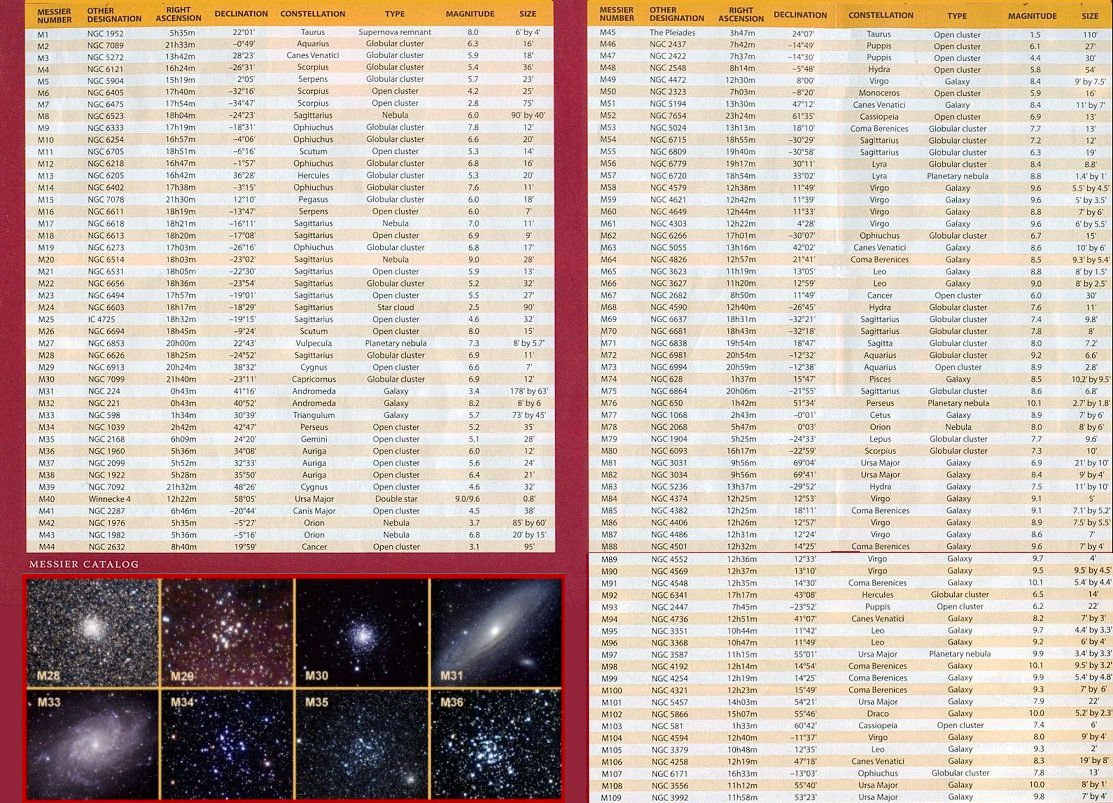
Messier Objects

The Hubble Space Telescope’s jawdropping Messier catalogue Astronomy Now

Complete Messier Catalog Cielo, Criada, Historia

I finally finished the whole Messier Catalog Astronomy
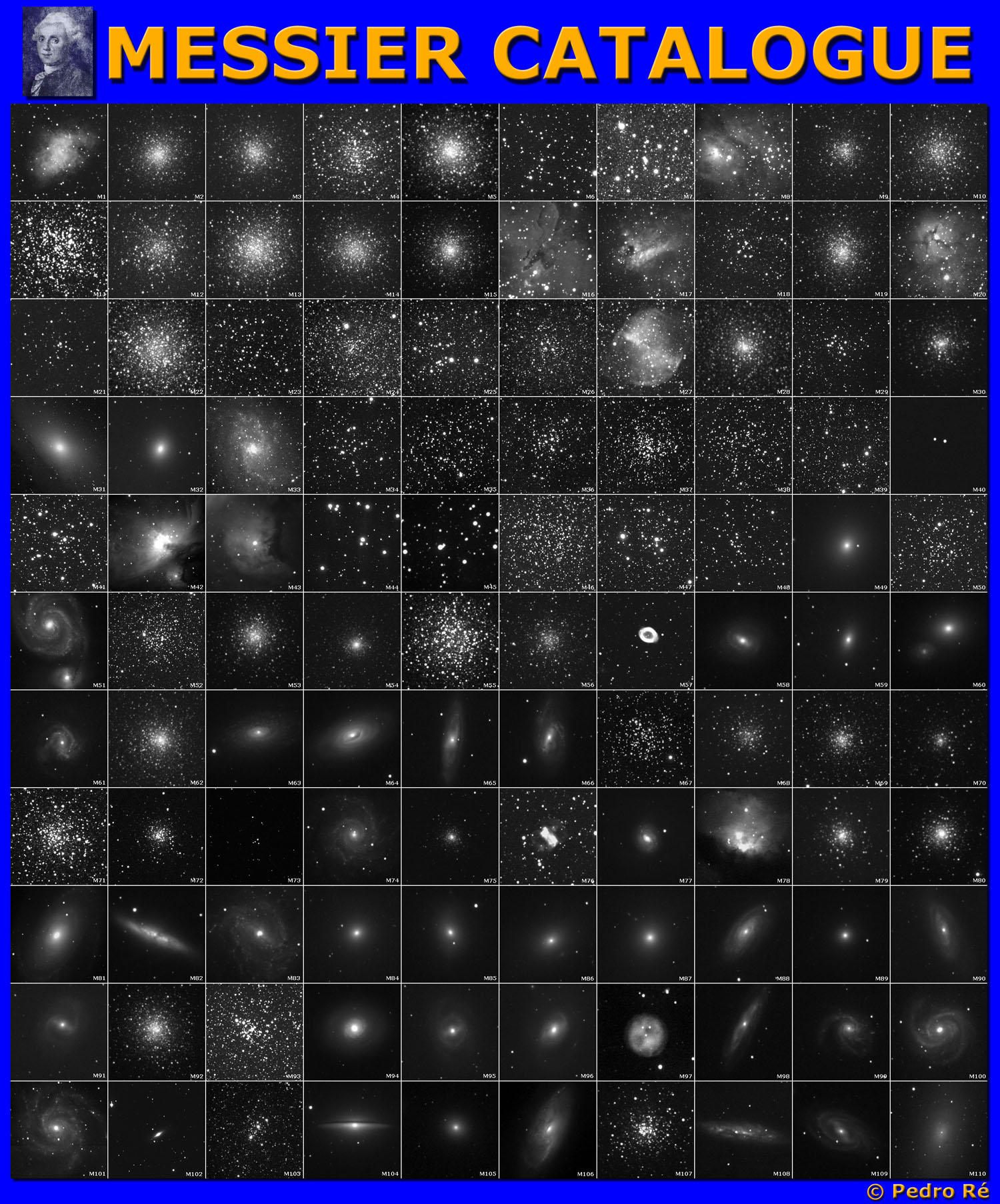
Pedro Ré's Messier Gallery

A CometHunter's Legacy The Messier Catalog
Compiled By French Astronomer Charles Messier, This Collection Of 110 Objects Provides A Guide To Some Of The Most Stunning.
The Designation Messier 77 Comes From The Galaxy’s Place In The Famous Catalog Compiled By The French Astronomer Charles Messier.
These Objects, Known As Messier.
Well Over 1/3 Of Them Lie Outside Our.
Related Post: