
Star Catalog
Star Catalog - There are three catalogues that variable star observers will find useful. Star catalog, list of stars, usually according to position and magnitude (brightness) and, in some cases, other properties (e.g., spectral type) as well. While it may not contain all the stars in our galaxy, our collection is constantly expanding. Hip and tyc are the most accurate and list every star to mag. In astronomy, many stars are referred to simply by catalogue numbers. Or, search for a star by its exact catalog number (use a * to indicate a degrees sign): +7.3, plus 95 per cent of those up to mag. Explore the wonders of the universe with us. An astronomical catalogue is a list or tabulation of astronomical objects, typically grouped together because they share a common type, morphology, origin, means of detection, or method of discovery. The bsc5p database table contains data derived from the bright star catalog, 5th edition, preliminary, which is widely used as a source of basic astronomical and astrophysical data for stars brighter than magnitude 6.5. The guide star catalog (gsc), which has been constructed to support the operational need of the hubble space telescope contains nearly 19 million objects brighter than sixteenth magnitude, of which more than 15 million are classified as stars. While it may not contain all the stars in our galaxy, our collection is constantly expanding. Discover stars and celestial bodies in our galactic neighborhood with stellar catalog. +7.3, plus 95 per cent of those up to mag. In astronomy, many stars are referred to simply by catalogue numbers. An astronomical catalogue is a list or tabulation of astronomical objects, typically grouped together because they share a common type, morphology, origin, means of detection, or method of discovery. There are three catalogues that variable star observers will find useful. A star catalogue is an astronomical catalogue that lists stars. Hip and tyc are the most accurate and list every star to mag. This database is based on the electronic version of the sao catalog from the astronomical data center, which is itself based on an original binary version of the smithsonian astrophysical observatory star catalog (sao, sao staff 1966). In astronomy, many stars are referred to simply by catalogue numbers. While it may not contain all the stars in our galaxy, our collection is constantly expanding. Or, search for a star by its exact catalog number (use a * to indicate a degrees sign): Hip and tyc are the most accurate and list every star to mag. An astronomical. While it may not contain all the stars in our galaxy, our collection is constantly expanding. The guide star catalog (gsc), which has been constructed to support the operational need of the hubble space telescope contains nearly 19 million objects brighter than sixteenth magnitude, of which more than 15 million are classified as stars. There are a great many different. There are three catalogues that variable star observers will find useful. Hip and tyc are the most accurate and list every star to mag. There are a great many different star catalogues which have been produced for different purposes over the years, and this article covers only some of the more frequently quoted ones. In astronomy, many stars are referred. A star catalogue is an astronomical catalogue that lists stars. +7.3, plus 95 per cent of those up to mag. The guide star catalog (gsc), which has been constructed to support the operational need of the hubble space telescope contains nearly 19 million objects brighter than sixteenth magnitude, of which more than 15 million are classified as stars. Discover stars. The guide star catalog (gsc), which has been constructed to support the operational need of the hubble space telescope contains nearly 19 million objects brighter than sixteenth magnitude, of which more than 15 million are classified as stars. While it may not contain all the stars in our galaxy, our collection is constantly expanding. This database is based on the. A star catalogue is an astronomical catalogue that lists stars. There are a great many different star catalogues which have been produced for different purposes over the years, and this article covers only some of the more frequently quoted ones. This database is based on the electronic version of the sao catalog from the astronomical data center, which is itself. Discover stars and celestial bodies in our galactic neighborhood with stellar catalog. While it may not contain all the stars in our galaxy, our collection is constantly expanding. There are three catalogues that variable star observers will find useful. Or, search for a star by its exact catalog number (use a * to indicate a degrees sign): This database is. Astronomical catalogs are usually the result of an astronomical survey of some kind. Hip and tyc are the most accurate and list every star to mag. This database is based on the electronic version of the sao catalog from the astronomical data center, which is itself based on an original binary version of the smithsonian astrophysical observatory star catalog (sao,. The guide star catalog (gsc), which has been constructed to support the operational need of the hubble space telescope contains nearly 19 million objects brighter than sixteenth magnitude, of which more than 15 million are classified as stars. Numerous catalogs and star atlases have been made, some of fundamental importance to stellar astronomy. In astronomy, many stars are referred to. Astronomical catalogs are usually the result of an astronomical survey of some kind. Star catalog, list of stars, usually according to position and magnitude (brightness) and, in some cases, other properties (e.g., spectral type) as well. The guide star catalog (gsc), which has been constructed to support the operational need of the hubble space telescope contains nearly 19 million objects. A star catalogue is an astronomical catalogue that lists stars. The guide star catalog (gsc), which has been constructed to support the operational need of the hubble space telescope contains nearly 19 million objects brighter than sixteenth magnitude, of which more than 15 million are classified as stars. An astronomical catalogue is a list or tabulation of astronomical objects, typically grouped together because they share a common type, morphology, origin, means of detection, or method of discovery. There are three catalogues that variable star observers will find useful. Discover stars and celestial bodies in our galactic neighborhood with stellar catalog. This database is based on the electronic version of the sao catalog from the astronomical data center, which is itself based on an original binary version of the smithsonian astrophysical observatory star catalog (sao, sao staff 1966). Or, search for a star by its exact catalog number (use a * to indicate a degrees sign): The bsc5p database table contains data derived from the bright star catalog, 5th edition, preliminary, which is widely used as a source of basic astronomical and astrophysical data for stars brighter than magnitude 6.5. Star catalog, list of stars, usually according to position and magnitude (brightness) and, in some cases, other properties (e.g., spectral type) as well. There are a great many different star catalogues which have been produced for different purposes over the years, and this article covers only some of the more frequently quoted ones. +7.3, plus 95 per cent of those up to mag. Astronomical catalogs are usually the result of an astronomical survey of some kind. Hip and tyc are the most accurate and list every star to mag.SAO Star Catalog J2000 An Astronomical Catalog Containing Positional
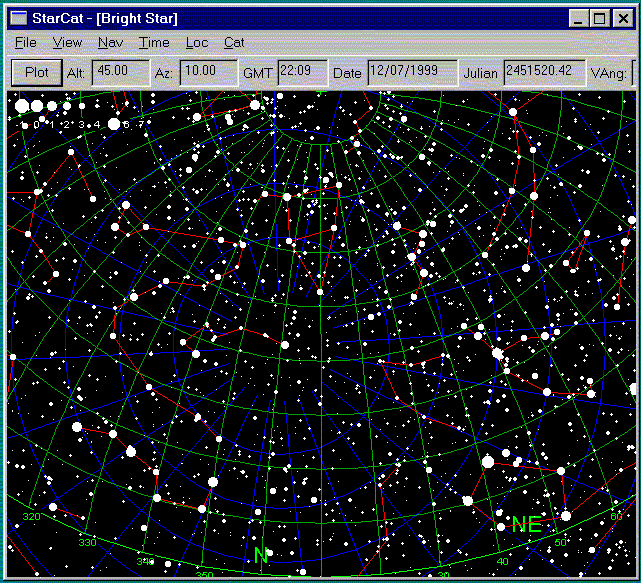
StarCats
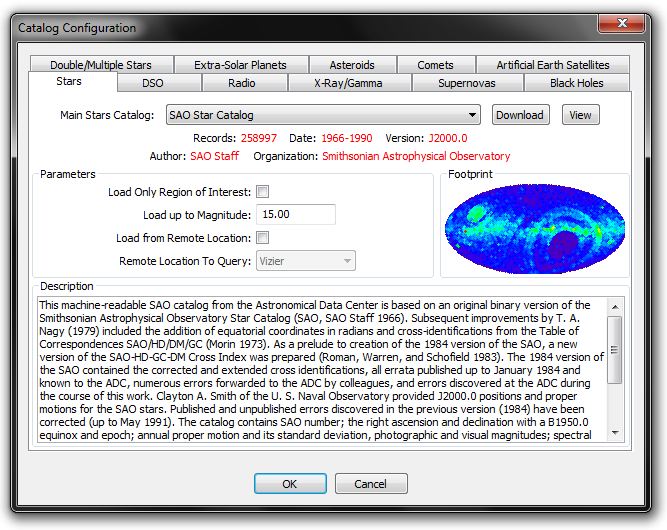
Star Catalogs and Surveys UniMap Software

The famous star catalog of Hipparchus, father of modern astronomy
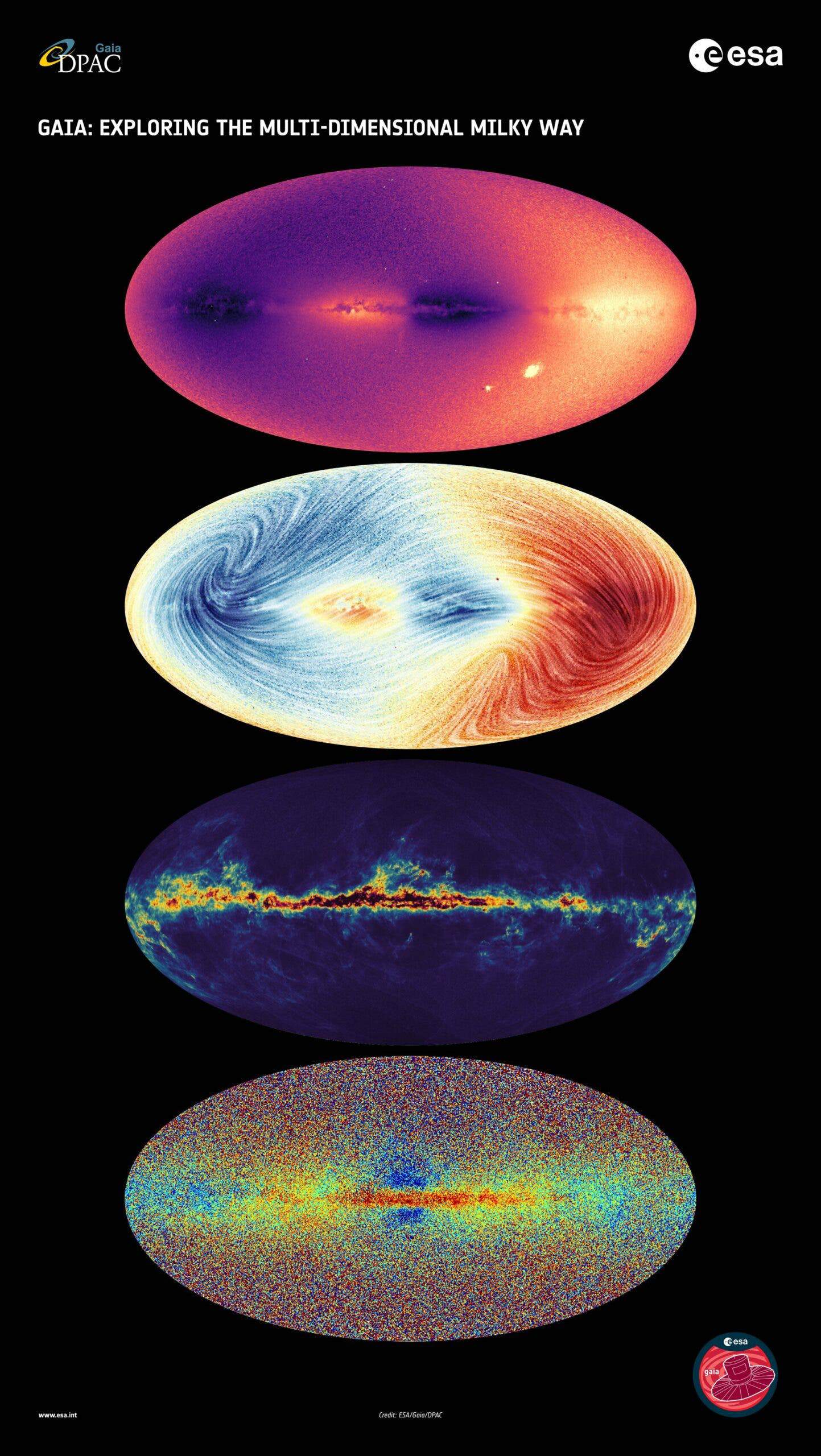
Almost two billion stars Largest, most detailed star catalog to date
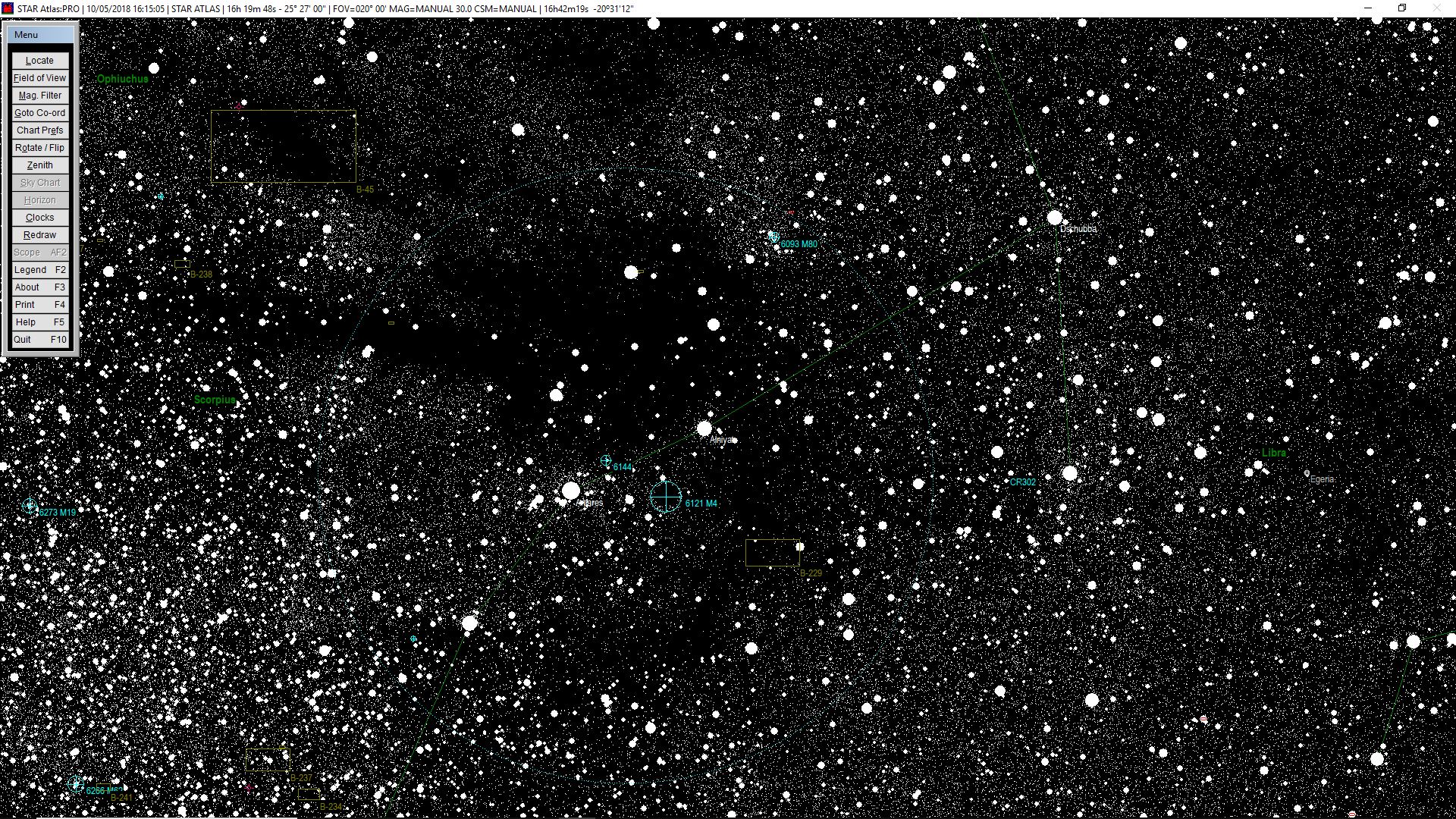
STAR AtlasPRO Astronomy Software Guide Star Catalog (GSC)
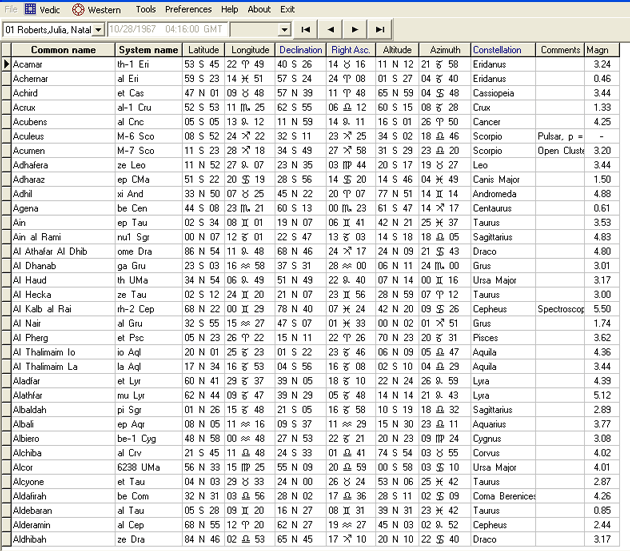
Kepler's Star Cataloge
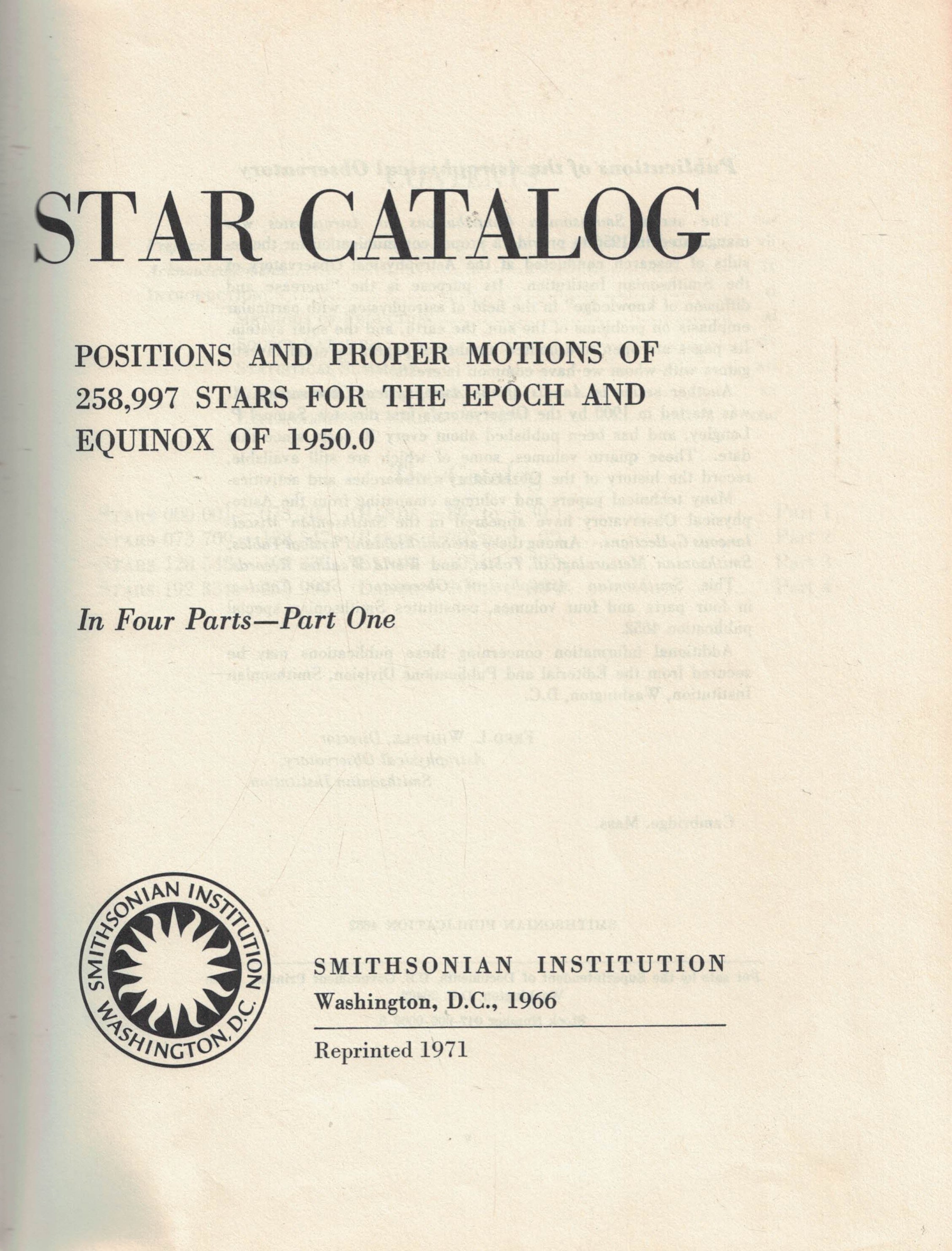
Star Catalog Smithsonian Astrophysical Observatory. 4 volume set by
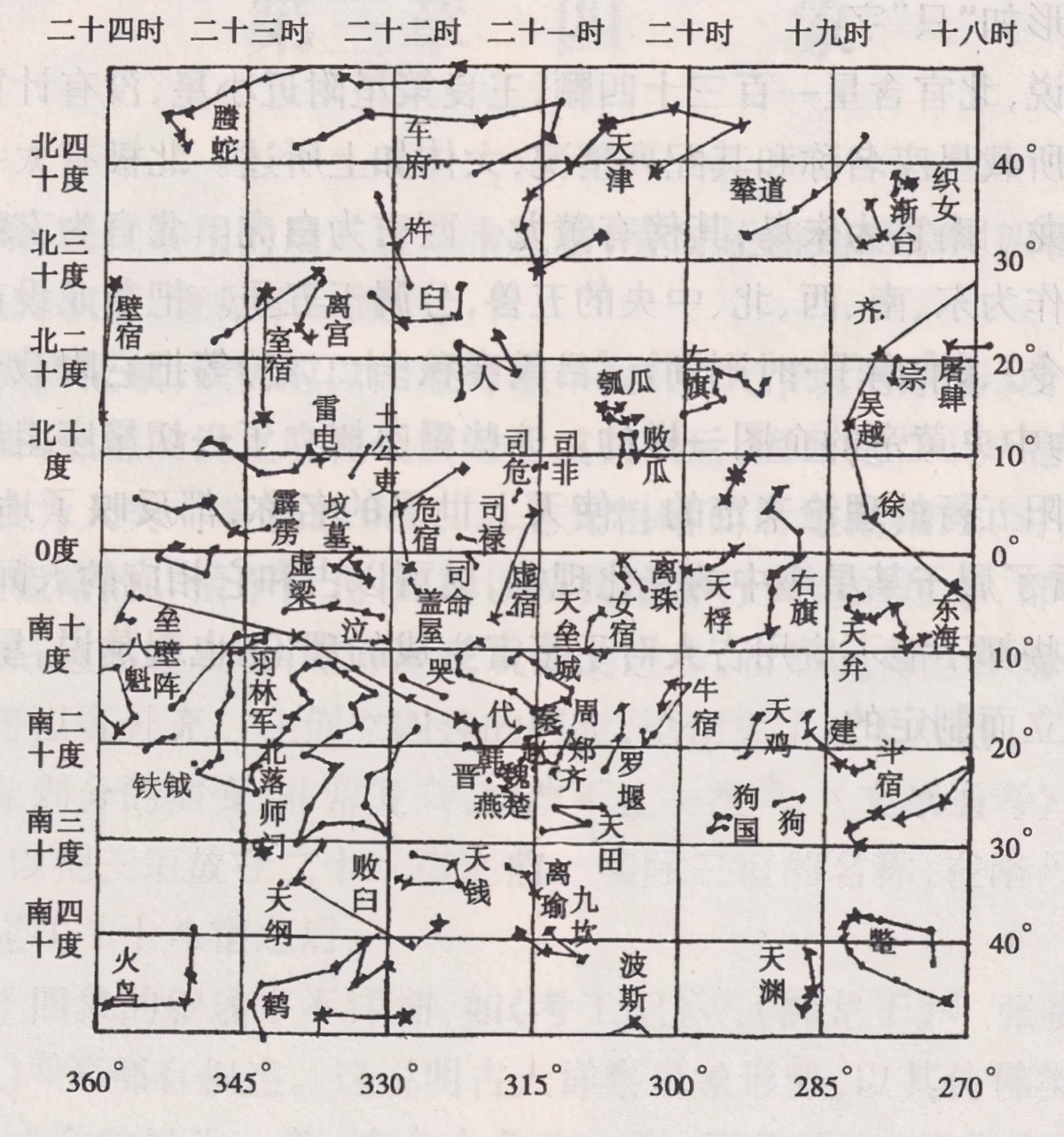
The most astronomical chapter of the earth the oldest star catalog iNEWS

The Historic Discussion of Ptolemy's Star Catalog Universe Today
Explore The Wonders Of The Universe With Us.
While It May Not Contain All The Stars In Our Galaxy, Our Collection Is Constantly Expanding.
In Astronomy, Many Stars Are Referred To Simply By Catalogue Numbers.
Numerous Catalogs And Star Atlases Have Been Made, Some Of Fundamental Importance To Stellar Astronomy.
Related Post:
