
What Would Someone Use A Card Catalogue To Do
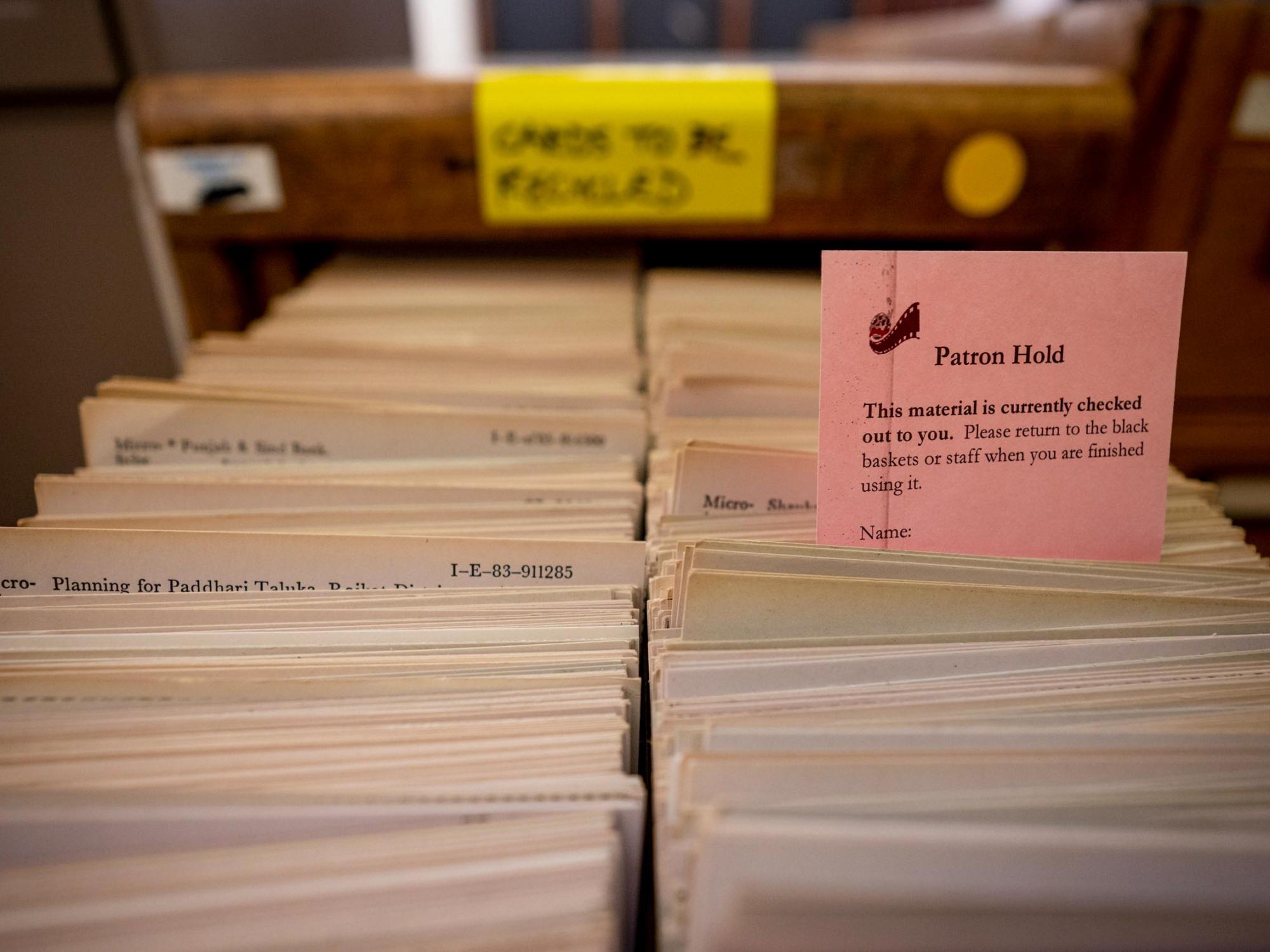
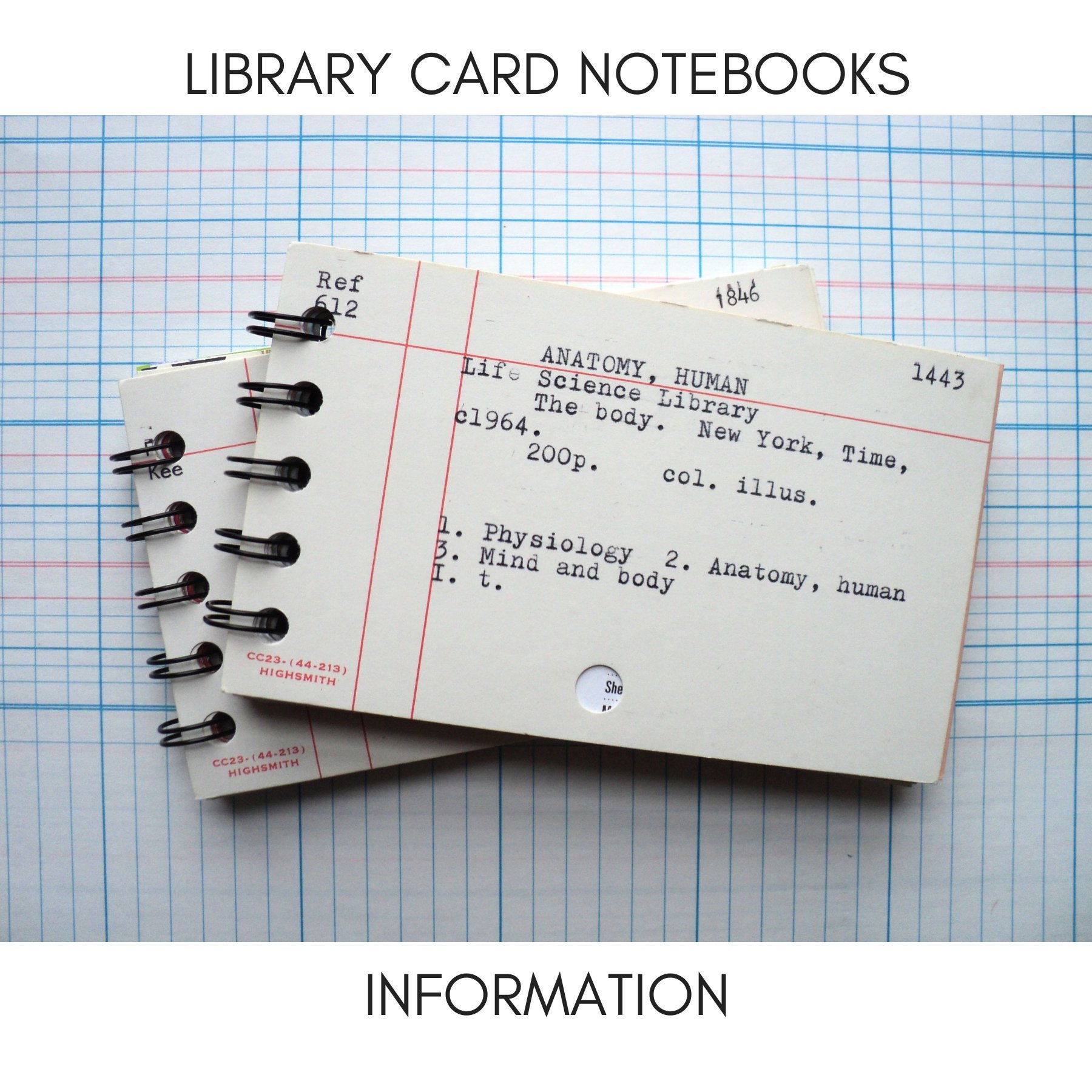
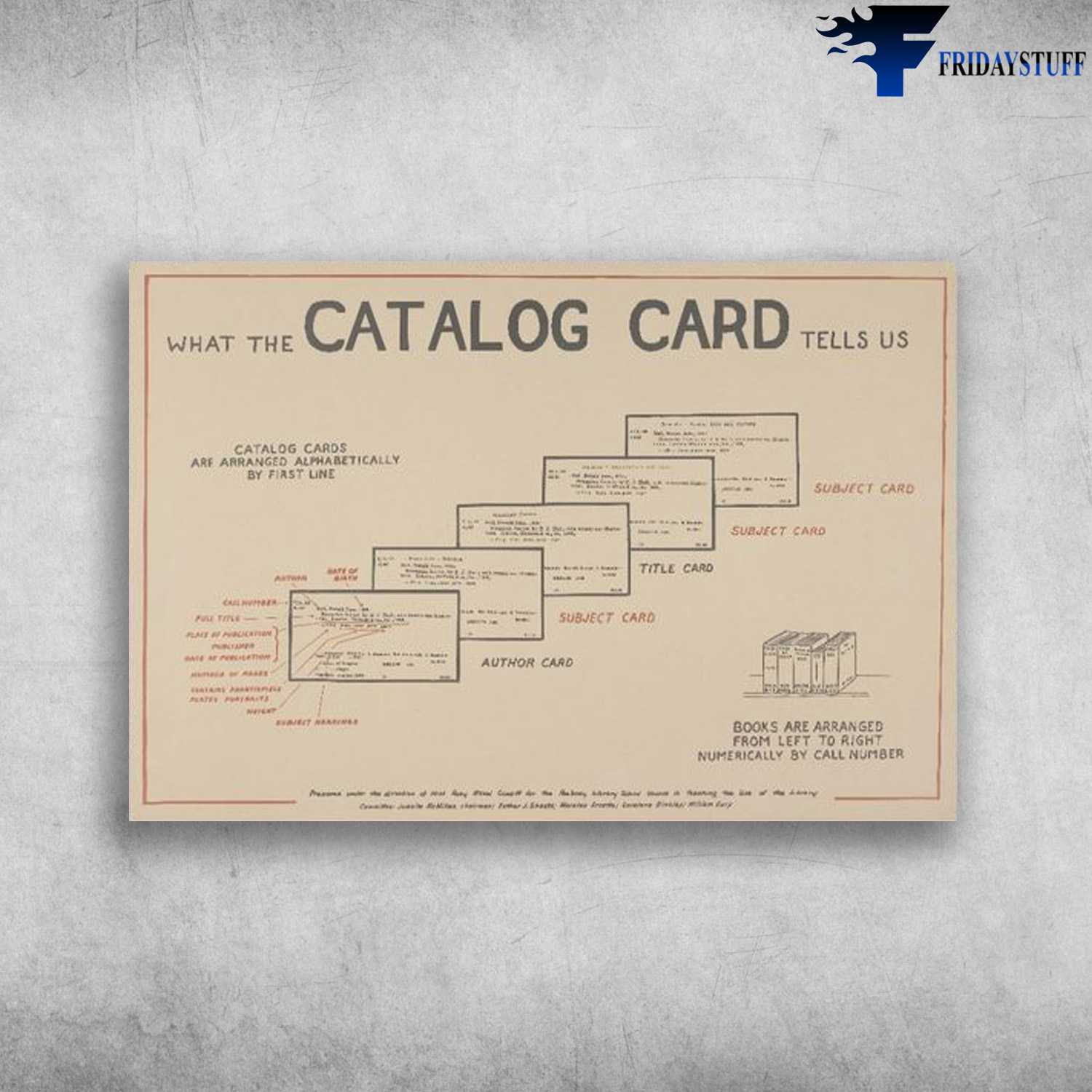
What Would Someone Use A Card Catalogue To Do - The card catalog for manuscripts fills 123 drawers and contains over 130,000 individual catalog cards. Learn to use call numbers and work with libraries to get what you need! Now that the card catalog is gone, what physical or tactile experience do you think will replace it? This guide discusses the origins and history of the library's monumental card catalog, and also describes how researchers can continue to use it productively to search for. The card catalogue contains information about each book, such as the author, title,. To answer the question, someone would use a card catalogue to look up a book in a library. Here’s how someone would typically use a card catalog: Use a card catalog to perform subject searches. He clearly identified one cuneiform tablet, found near the ruins of nippur and dated around 2000 b.c., as being used for cataloging purposes. A card catalog is a physical listing of all of the contents of a library, organized with a single card for each item in the library. not true. At just 2½ by 1½ inches, the tablet. This guide discusses the origins, history, and continuing research value of the library of congress card catalog, the predecessor to the library's current online catalog. Card catalogs are handy references to know how to use to find a book. Each card typically contains important information. The card catalog for manuscripts fills 123 drawers and contains over 130,000 individual catalog cards. Robust card catalogs contain approximately 450 main subject headings, such as music, law, agriculture and biography, according to the. The card catalog is an alphabetical list of books in the library, filed. A card catalogue is a traditional method used in libraries to help patrons locate books and other materials. This guide discusses the origins and history of the library's monumental card catalog, and also describes how researchers can continue to use it productively to search for. Cards in the catalog are organized alphabetically by author. He clearly identified one cuneiform tablet, found near the ruins of nippur and dated around 2000 b.c., as being used for cataloging purposes. The card catalog is organized alphabetically to allow users to find materials by author, title or topic. This guide discusses the origins and history of the library's monumental card catalog, and also describes how researchers can continue. The card catalog was invented before the index. A single item (e.g book) has multiple cards. He clearly identified one cuneiform tablet, found near the ruins of nippur and dated around 2000 b.c., as being used for cataloging purposes. The card catalog was a library stalwart for almost 200 years. The card catalog is an alphabetical list of books in. Cards in the catalog are organized alphabetically by author. He clearly identified one cuneiform tablet, found near the ruins of nippur and dated around 2000 b.c., as being used for cataloging purposes. The card catalog was a library stalwart for almost 200 years. Searching for a book : Here’s how someone would typically use a card catalog: The card catalogue contains information about each book, such as the author, title,. Now that the card catalog is gone, what physical or tactile experience do you think will replace it? The card catalog is an alphabetical list of books in the library, filed. Learn to use call numbers and work with libraries to get what you need! Cards in. He clearly identified one cuneiform tablet, found near the ruins of nippur and dated around 2000 b.c., as being used for cataloging purposes. The card catalogue contains information about each book, such as the author, title,. Use a card catalog to perform subject searches. The card catalog was invented before the index. A single item (e.g book) has multiple cards. Use a card catalog to perform subject searches. Here’s how someone would typically use a card catalog: Each card typically contains important information. This guide discusses the origins and history of the library's monumental card catalog, and also describes how researchers can continue to use it productively to search for. The card catalog is an alphabetical list of books in. Each card typically contains important information. At just 2½ by 1½ inches, the tablet. Learn to use call numbers and work with libraries to get what you need! To answer the question, someone would use a card catalogue to look up a book in a library. Robust card catalogs contain approximately 450 main subject headings, such as music, law, agriculture. Robust card catalogs contain approximately 450 main subject headings, such as music, law, agriculture and biography, according to the. The card catalog is organized alphabetically to allow users to find materials by author, title or topic. This is how you would use a card catalog in a library. A card catalogue is a traditional way that libraries organized their collections. A card catalog is a physical listing of all of the contents of a library, organized with a single card for each item in the library. not true. Learn to use call numbers and work with libraries to get what you need! When a person wants to find a specific book in the library, they would go to the card. Searching for a book : Card catalogs are handy references to know how to use to find a book. The card catalog is an alphabetical list of books in the library, filed. Use a card catalog to perform subject searches. The card catalog was invented before the index. Card catalogs are handy references to know how to use to find a book. Here’s how someone would typically use a card catalog: The card catalog is an alphabetical list of books in the library, filed. When a person wants to find a specific book in the library, they would go to the card catalog. A card catalog is a physical listing of all of the contents of a library, organized with a single card for each item in the library. not true. Searching for a book : Learn to use call numbers and work with libraries to get what you need! At just 2½ by 1½ inches, the tablet. Robust card catalogs contain approximately 450 main subject headings, such as music, law, agriculture and biography, according to the. It also provides sample cards and activities to familiarize students with using the card. Each card typically contains important information. The card catalog was a library stalwart for almost 200 years. To answer the question, someone would use a card catalogue to look up a book in a library. The card catalogue contains information about each book, such as the author, title,. A card catalogue is a traditional way that libraries organized their collections of books, magazines, and other resources. Cards in the catalog are organized alphabetically by author.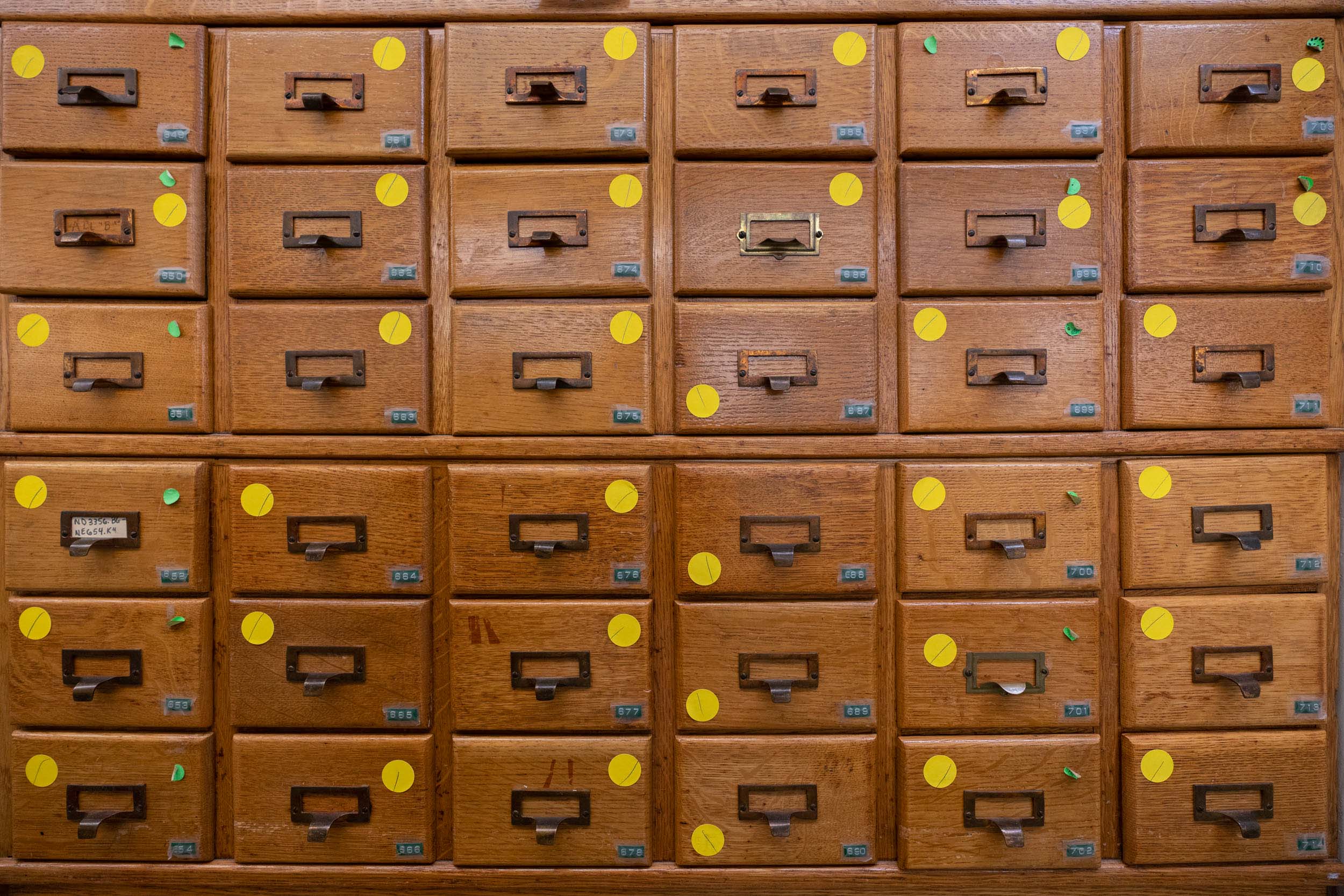
The Old Card Catalog Collaborative Effort Will Preserve Its History
Y Catalog
INFO LISTING ONLY Library Card Catalog Notebook Please do Etsy

What Is A Card Catalog Examples at Marjorie Hiller blog
What Is A Card Catalog Examples at Marjorie Hiller blog
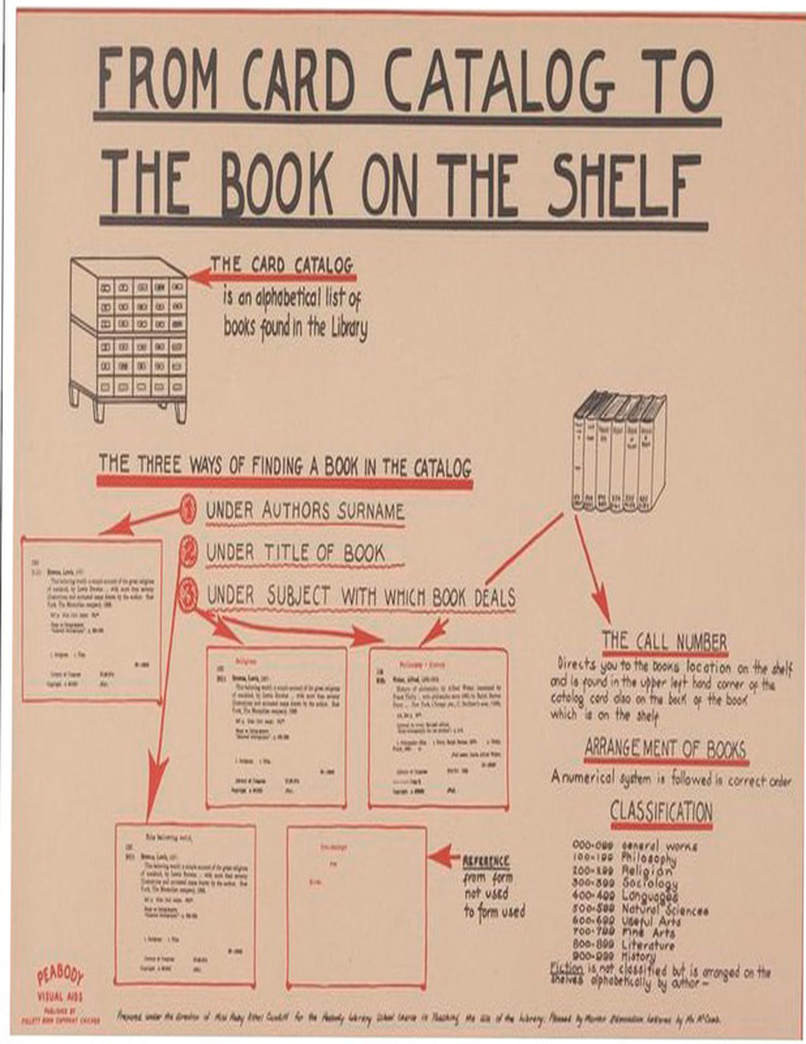
How to use The Catalogs

Do you remember how to use a card catalog system? Library card
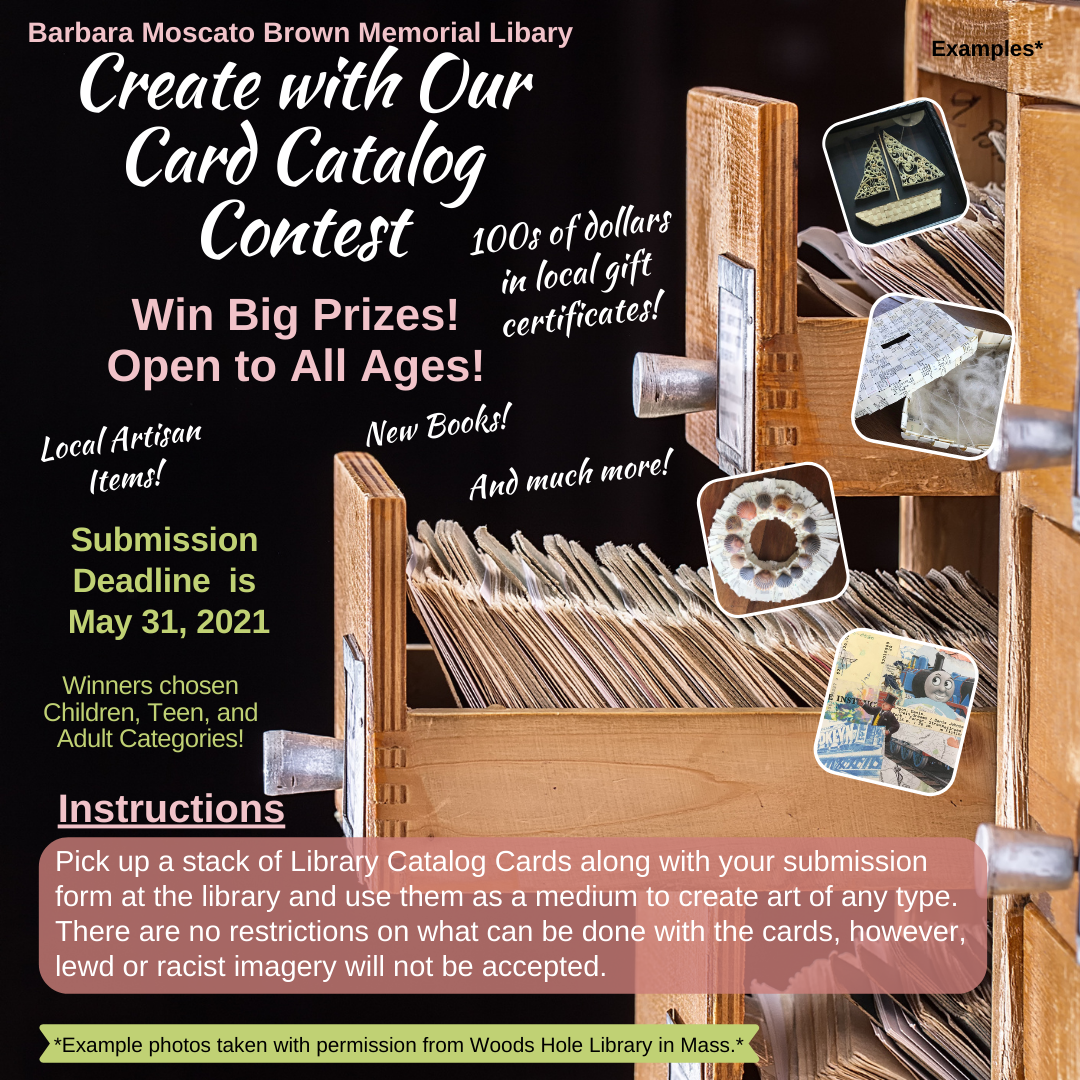
Create with Our Card Catalog Contest Barbara Moscato Brown Memorial
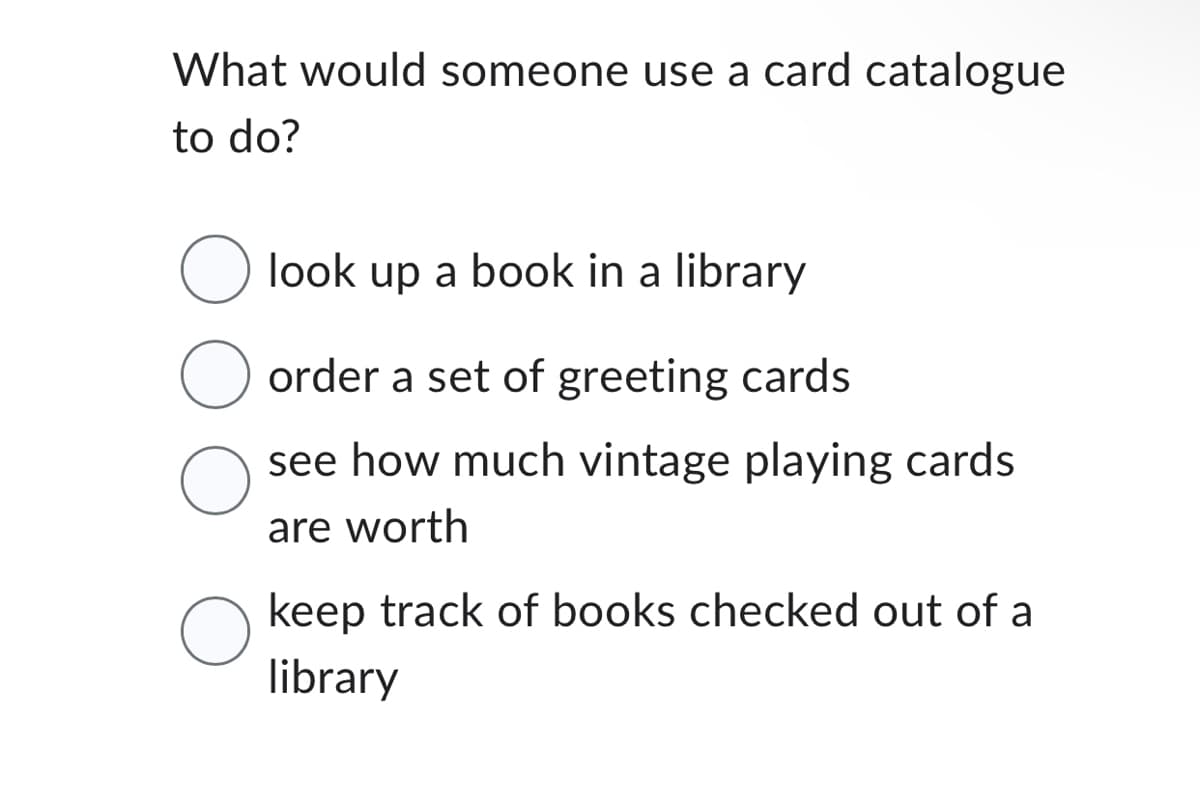
Answered What would someone use a card catalogue… bartleby
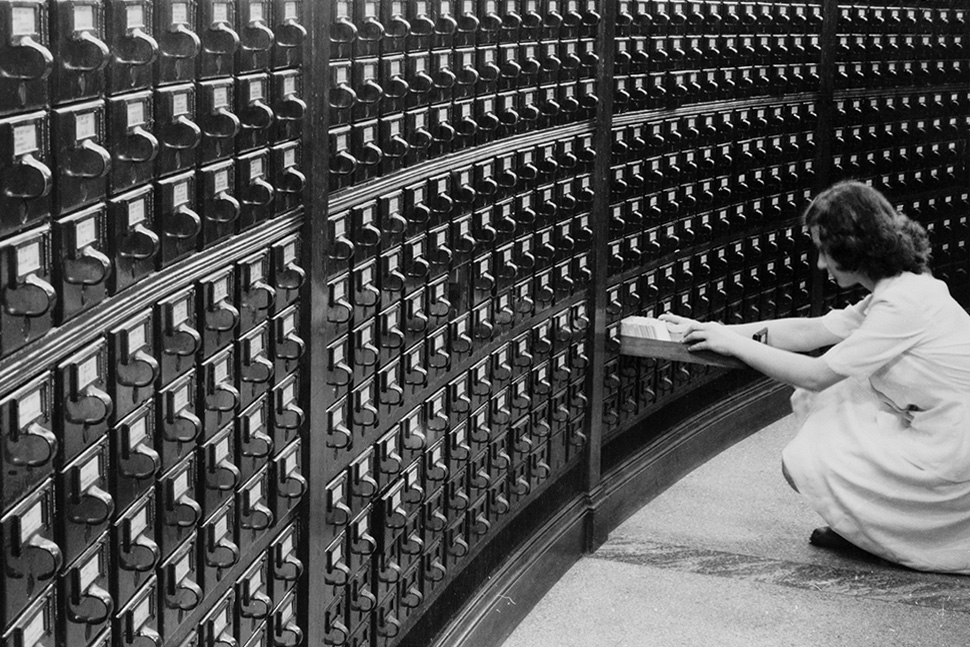
The Evolving Catalog American Libraries Magazine
This Is How You Would Use A Card Catalog In A Library.
The Card Catalog Was Invented Before The Index.
The Card Catalog Is Organized Alphabetically To Allow Users To Find Materials By Author, Title Or Topic.
The Earliest Use Of A Card System For Inventory Control Is Credited To France Where Rare Confiscated Books Were.
Related Post: